
The Ultimate Guide to the Best Indoor Electric Grills in 2026
Why You Need an Excellent Electric Grill Indoor
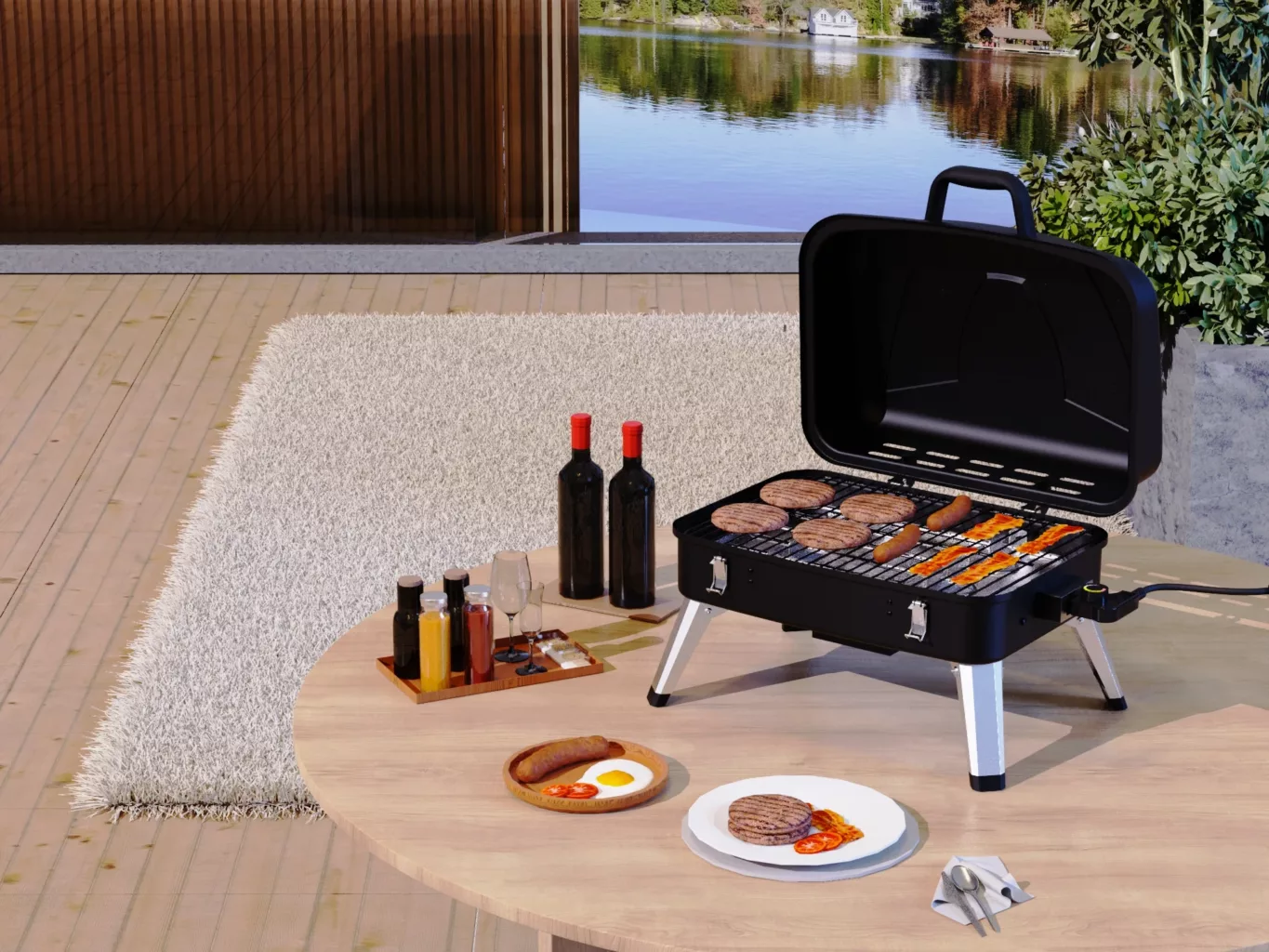
Grilling is no longer an activity just for sunny summer days in the yard. Food lovers now look for methods to add barbecue fun to everyday life, no matter the outside weather. Choosing a top-notch indoor electric grill turns the kitchen into a constant barbecue spot. This setup lets users savor well-browned meats and toasted veggies any time hunger hits.
Breaking Weather Limits and Apartment Fire Bans
The biggest obstacle to usual grilling comes from changeable weather and tough housing rules. Heavy rain, cold chills, or strong gusts can spoil an outdoor meal plan right away. Plus, many current homes like apartment buildings and condos ban open-flame charcoal or gas grills on patios because of fire risks. An indoor electric option stands out here. This choice gives a secure and steady substitute. Users skip these limits completely. The units fit small areas well, such as apartments and offices. Thus, barbecue fun reaches places where old ways fail.
How Does an Electric Grill Work to Reduce Smoke
Knowing how an electric grill functions matters for seeing its indoor value. Old grills use burning charcoal or fuels that make gas. Electric versions use smart heating parts to create steady, glowing warmth. No open fire or fuel burns, so the main cause of dense, risky smoke vanishes. Good models add clever grease handling setups, too. These setups direct leaking fats and sauces from the hot spot into a special cooling pan. As a result, splashes and burns that usually make too much smoke in the kitchen drop a lot.
2026 Overview of Electric Grills
The indoor grilling device market has grown a great deal. Basic heated plates have become sophisticated culinary tools that copy the work of pro outdoor gear. Shoppers today want tools with fast warmup, exact heat settings, and simple upkeep.
Core Categories and Applications
In the world of electric grilling now, the market splits into two main types to match various habits and room sizes. One type covers small countertop units that stress space-saving ease and easy moving. The other type includes bigger upright units that give a classic, standing grill stance. These keep the safety and ease of electric warmth. Both types work to bring solid cooking results without fuel worries.
Deep Dive: Top Performing Categories on the Market
Small Electric Barbecue Grill Portable Table Top BBQ
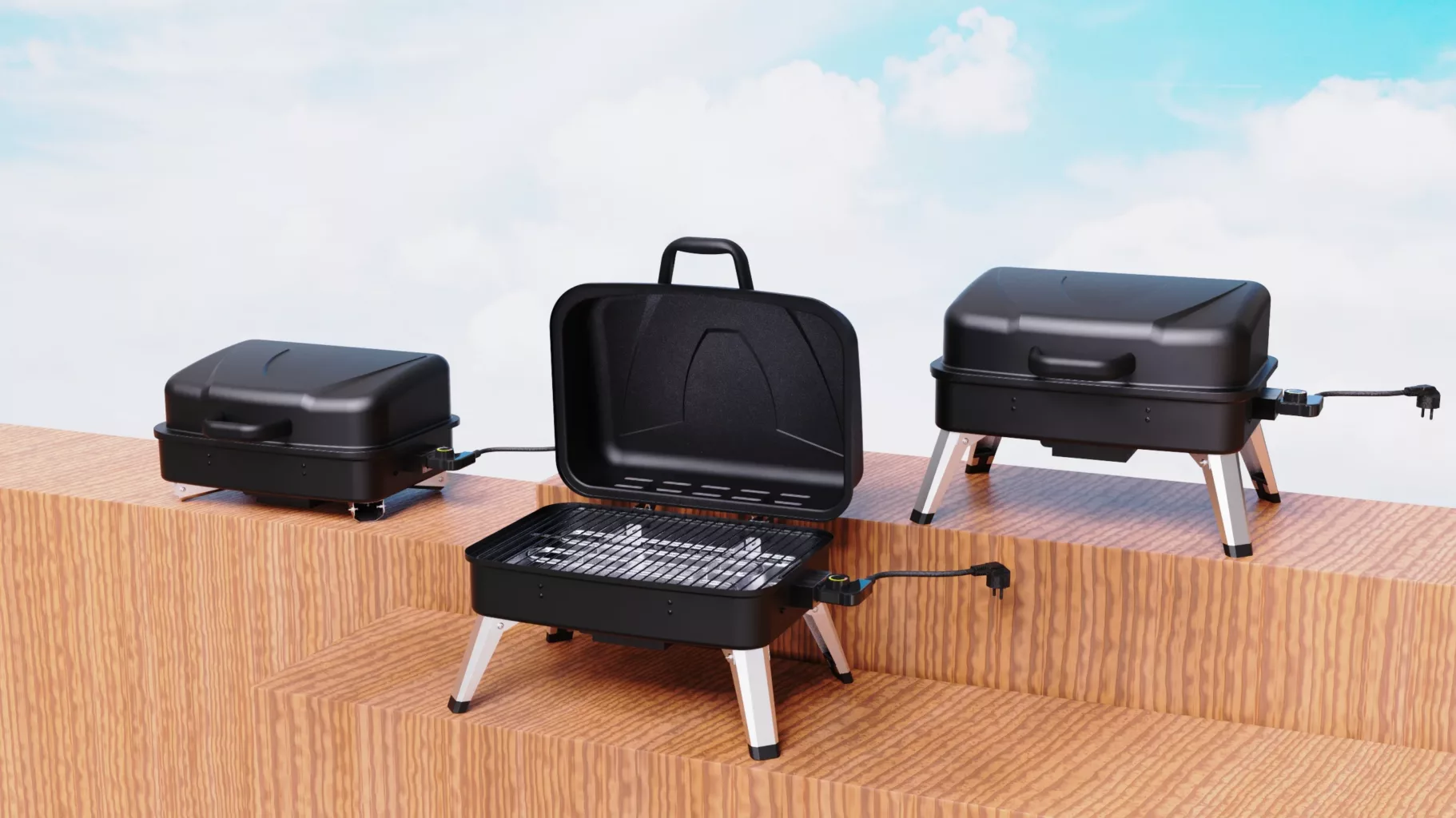
The portable tabletop electric grill builds for top ease in limited home spots. Measuring 104.5 by 46 by 35 cm, this small unit fits kitchen tops and tiny apartment eating zones well. Though portable, the unit packs a strong 2000W heating part that runs on 240V. This setup brings fast heat times and steady warmth rule over the wide 46 by 35 cm iron cooking zone. Users get a real and mighty indoor grilling time without yard setup space needs.
Stand Electric BBQ Grill
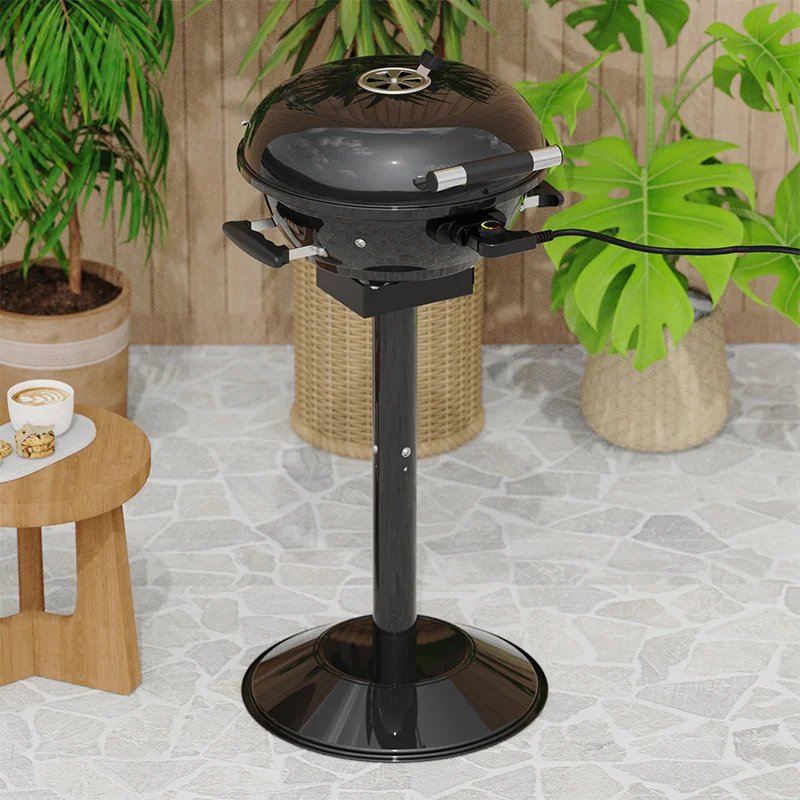
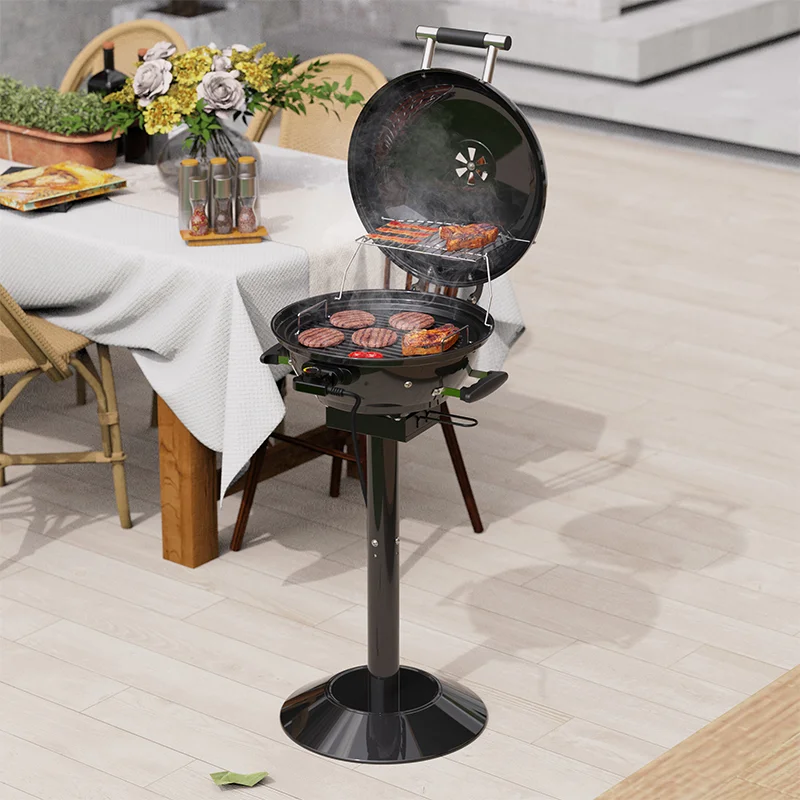
This stand electric grill gives a more usual upright pose. The cooking top rises to a comfy 83 cm work height. With full size of 71.5 by 46 by 96 cm, the grill copies easy perks of a standard deck cooker. The grill suits covered decks too. The grill uses the same trusty 2000W power setup and 46 by 35 cm iron grate as the countertop type. This match promises same diner-level browning power. A firm, free-standing frame holds the setup.
Technical Specifications Comparison
| Parameter | Table Top BBQ | Outdoor Electric BBQ |
| Dimensions | 104.5 x 46 x 35 cm | 71.5 x 46 x 96 cm |
| Cooking Area | 46 x 35 cm | 46 x 35 cm |
| Cooking Height | 23 cm | 83 cm |
| Power Output | 2000W (240V 50/60Hz) | 2000W (240V 50/60Hz) |
| Material | Iron | Iron |
Ultimate Buying Guide for Electric Grills
Heating Power and Temperature Control
The key to getting a diner-level brown on food rests in the grill’s heat strength. Users require a device that hits high warmth fast and holds it steady when cool items touch the top. Seek units with changeable heat dials. These let users set the precise warmth needed for any dish. This works whether users slowly cook soft veggies or push full heat to fast brown the outside of a fat steak.
Grate Materials and Coatings
The cooking top’s makeup sets heat holding and user-friendliness. Fine grills use strong stuff to promise lasting work and heat endurance. Tough cast iron holds warmth well and makes nice brown lines. However, cast iron needs careful care.
Sizing and Cooking Area
Picking the correct size hinges on home size and guest habits. For cooking for one or two, a small countertop unit warms more quickly, saves power, and fits in tight storage. But for feeding four family members often or having pals over, a unit with more top space avoids slow batch cooking. Measure the counter room or storage spots first before buying.
Cleaning and Maintenance
Indoor grilling must not lead to long cleanup stress. Top units plan with care in mind. Choose grills with pull-out cooking tops and easy-slide drip pans. Parts that come off and go straight in the dishwasher boost the full user time. Goods that meet strict global food-safe checks, like LFGB and FDA marks, ensure safe stuff touching food. These builds promise steady, long-use cooking.
Expert Indoor Grilling Tips
How to Cook on an Electric Grill for Maximum Flavor
Learning how to cook on an electric grill calls for small changes from old ways. No natural taste boost from wood or charcoal smoke means prep matters most. Let the grill warm up fully before adding food. A warm top starts the Maillard reaction. This builds deep, tasty notes. To make up for no smoke, add smoked paprika, chipotle spice, or drops of liquid smoke to sauces and rubs. Also, always dry meats fully with a paper towel before grilling. Dry meats brown well instead of steaming in wetness.
Managing Grease and Splatter
Inside cooking demands care for flying grease. To cut splatter, put light oil on food, not on the cooking tops. Cut extra fat from the steak or chop the edges before cooking. Big fat melts cause the main smoke and dirt inside. Make sure the drip pan stays clean and in place before starting the unit. Think about adding a bit of water to the pan. Water catches falling grease and cools it fast. This stops grease from turning into air vapor.
Final Conclusion: Finding the Right Grill for You
Moving to indoor grilling unlocks easy cooking fun. Users enjoy loved browned and seared foods no matter the time of year or home setup. By grasping the main traits of countertop and upright models, focusing on safety, and learning basic cooking skills, users can copy yard barbecue.
When picking gear for home or work, buy from a skilled maker for sure work and safety. For example, KEYO BBQ wholesale supplier brings more than twenty years of making know-how. From a huge 40,000 square meter plant, we use an ERP order system and strict quality checks to keep steady output. The push for global rules, including ISO9001 and BSCI marks, shows the quality and rule-following users should seek in strong cooking tools for inside areas.
FAQ
Q: Can I use an electric grill indoors safely?
A: Yes, without doubt. It ranks as a top query from first-time users. Makers build these tools for inside areas on purpose. No carbon monoxide comes from electric grills like from charcoal or gas ones. No burning happens. Traits like low power use and added safety plans make these fully safe for closed spots like apartments and offices. Just run the grill on a firm, heat-safe base far from burnable items.
Q: Do electric grills provide the same smoky flavor as traditional charcoal grills?
A: No, electric grills lack a natural smoky taste. Electricity makes heat, not burning wood or charcoal. No burning means no smoke flavors food. Still, users copy this taste by using smoked spices, special sauces, or liquid smoke mixes before cooking starts.
Q: Can I use aluminum foil or baking parchment on my electric grill?
A: Most times, avoid covering cooking tops fully with foil or parchment paper. Covering blocks needed air flow. Covering also stops fats from falling away from food. Grease pools near hot parts then. This leads to too much smoke, overheat, and auto shut-off on the unit.
Q: How do I prevent steaks from drying out while locking in juices on an electric grill?
A: Juicy steak comes from heat control and waiting. Warm the unit to top heat fully before adding meat. The first strong heat makes a quick brown layer. This layer keeps the wetness inside. Avoid flipping meat often or pushing it with a tool. Pushing squeezes tasty juices out to the drip pan.