
Electric vs Gas vs Charcoal BBQ Grills: What Type Should I Buy?
Introduction: Finding the Perfect Grill for Your Needs
Picking unsuitable outdoor cooking gear can soon change a backyard event into an irritating ordeal. Handling surplus smoke in cramped living spots, meeting surprise upkeep expenses, or finding that fresh gear breaks local apartment guidelines mark usual errors for buyers without information. Selecting the correct BBQ grill rests solely on your exact cooking method, the taste qualities you seek, and the room you possess. This full manual explains the core variations among electric, gas, and charcoal selections. The manual aids you in forming a firm choice that matches precisely with your cooking routine.
Charcoal Grills: The Traditionalist’s Delight for Authentic Flavor
How Charcoal Grilling Works
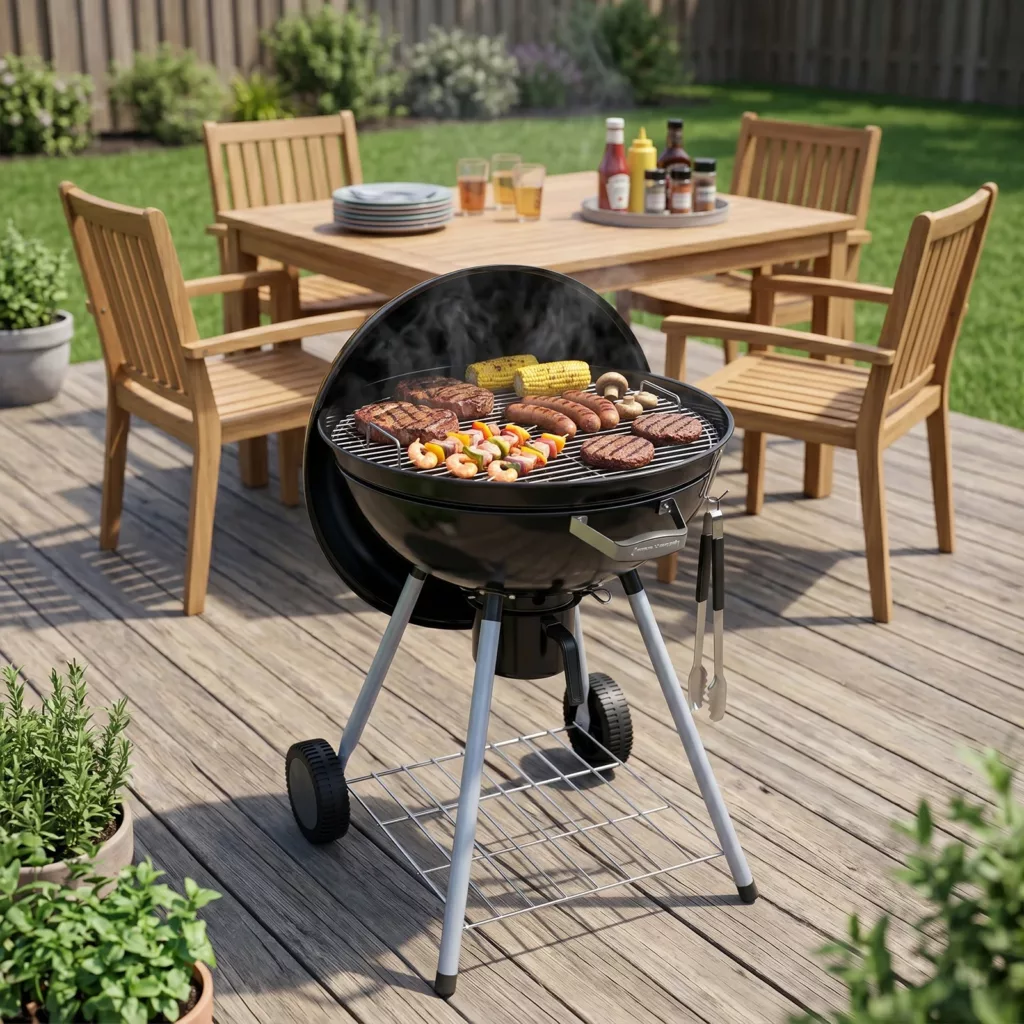
Charcoal grilling depends on burning charcoal briquettes or natural lump wood to produce warmth. The fuel rests beneath a cooking grate. The arrangement forms radiant warmth that cooks food from below. Juices and fats from meat drop onto the warm coals. These substances evaporate and climb back up. The action covers food in a full, smoky scent that shapes classic outdoor cooking.
Pros: Unmatched Flavor and High Heat Searing
The chief gain from charcoal consists of the matchless taste qualities it supplies. Charcoal yields full, real flavors that barbecue supporters purposely pursue. For example, the KEYO BBQ Kettle Charcoal Grill is designed to boost this method. The model shows a deep body build that supplies constant and lasting warmth by storing more charcoal. This quality fits thick meat slices or complete birds. Besides, models from the KEYO BBQ wholesale supplier regularly include a selection between a separate lid for notable versatility and swift entry, or a single-piece lid with smooth assembly that assures even warming.
Cons: High Maintenance and Slower Cook Times
The exchange for this real taste means ease. Charcoal gear needs a hands-on starting method and often requires up to thirty minutes to hit peak cooking warmth. Cleanup also demands more work because of ash collection. Still, current builds have lessened this problem. Many models now add a removable ash catcher that turns cleanup simple and lets users keep function with slight work.
Ideal Scenarios
Charcoal grills match best for weekend cooking fans and purists who hold that handling the fire forms a vital piece of the cooking event.
Gas Grills: The King of Convenience and Control
Propane vs. Natural Gas: Which is Better?
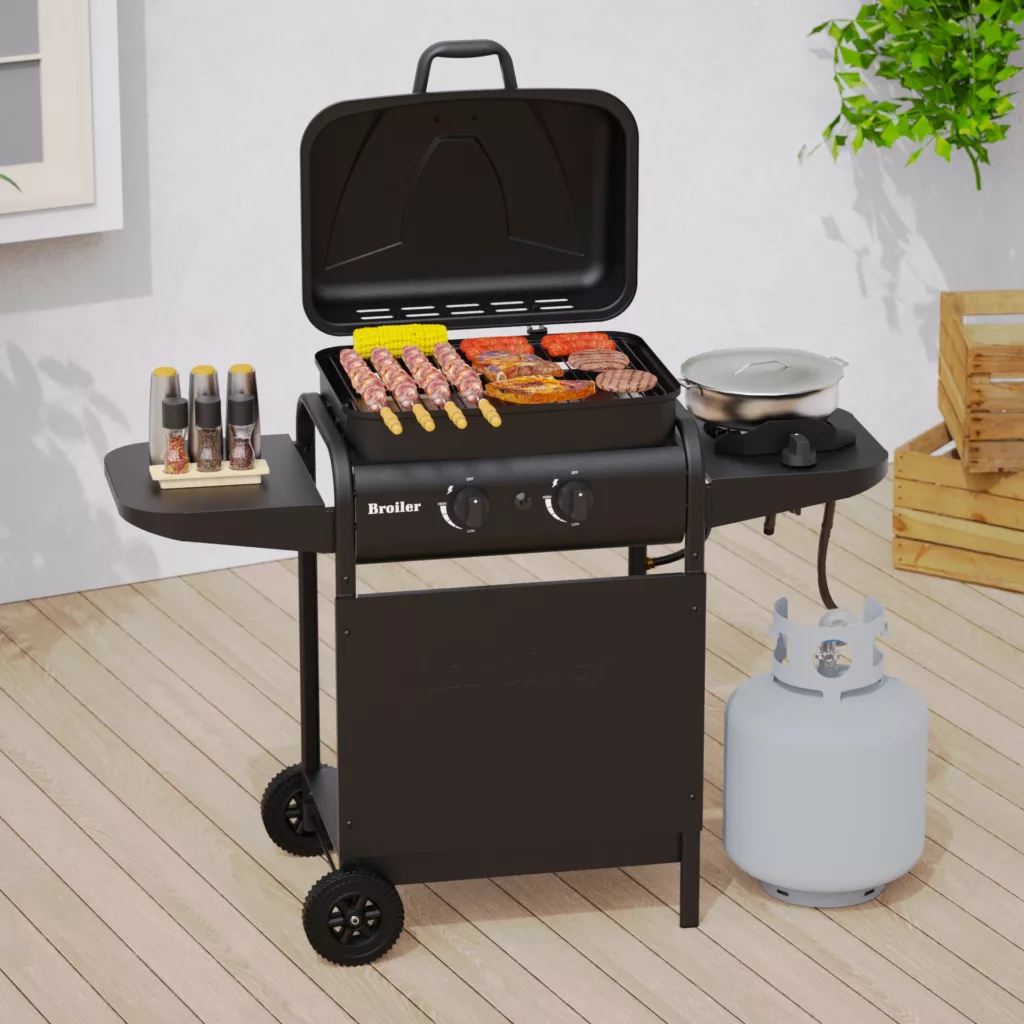
When viewing a gas choice, buyers face a decision between liquid propane and natural gas. Propane models employ refillable tanks. These tanks grant liberty to shift gear around the yard or patio. Natural gas models join right to the home gas line. The link removes the duty to refill a tank ever, but anchors gear to one place.
Pros: Quick Ignition and Precise Temperature Control
The largest plus here involves complete ease. A basic button push or knob twist starts the burners. The cooking face warms in minutes. Temperature management proves highly exact. The Gas Barbecue Propane 4 Burner Grill shows this speed. The unit holds four separate burners, creating 128000 BTU. Users can alter each burner alone for exact command over the cooking method. The grill further contains a built-in temperature gauge and a stainless steel cool-touch handle for secure running at high temperatures.
Cons: Higher Initial Cost and Less Smoky Flavor
The starting outlay for gas gear normally exceeds that of basic charcoal kettles. Plus, gas burns quite purely. Gas fails to add the strong, smoky taste tied to classic barbecues naturally. Achieving that taste demands a special smoker box packed with wood chips.
Ideal Scenarios
This kind suits active people who aim to savor fast weekday suppers after work without fire assembly bother. This kind also fits ideally for hosting big groups. Models like the KEYO BBQ Natural Gas Grill 2 Burner show handy side tables. These tables supply an added work area. The setup makes preparing and sorting ingredients and tools straightforward.
Electric Grills: The Modern, Space-Saving Solution
Why Electric Grills are Gaining Popularity
Urban living spreads wider. Many property management firms and city rules now set firm stops on open flames on balconies and patios. This move has pushed a big jump in the demand for electricity-driven cooking appliances. Electric grills give a secure and reliable substitute.
Pros: Safe for Apartments, Healthier Cooking, and Zero Smoke
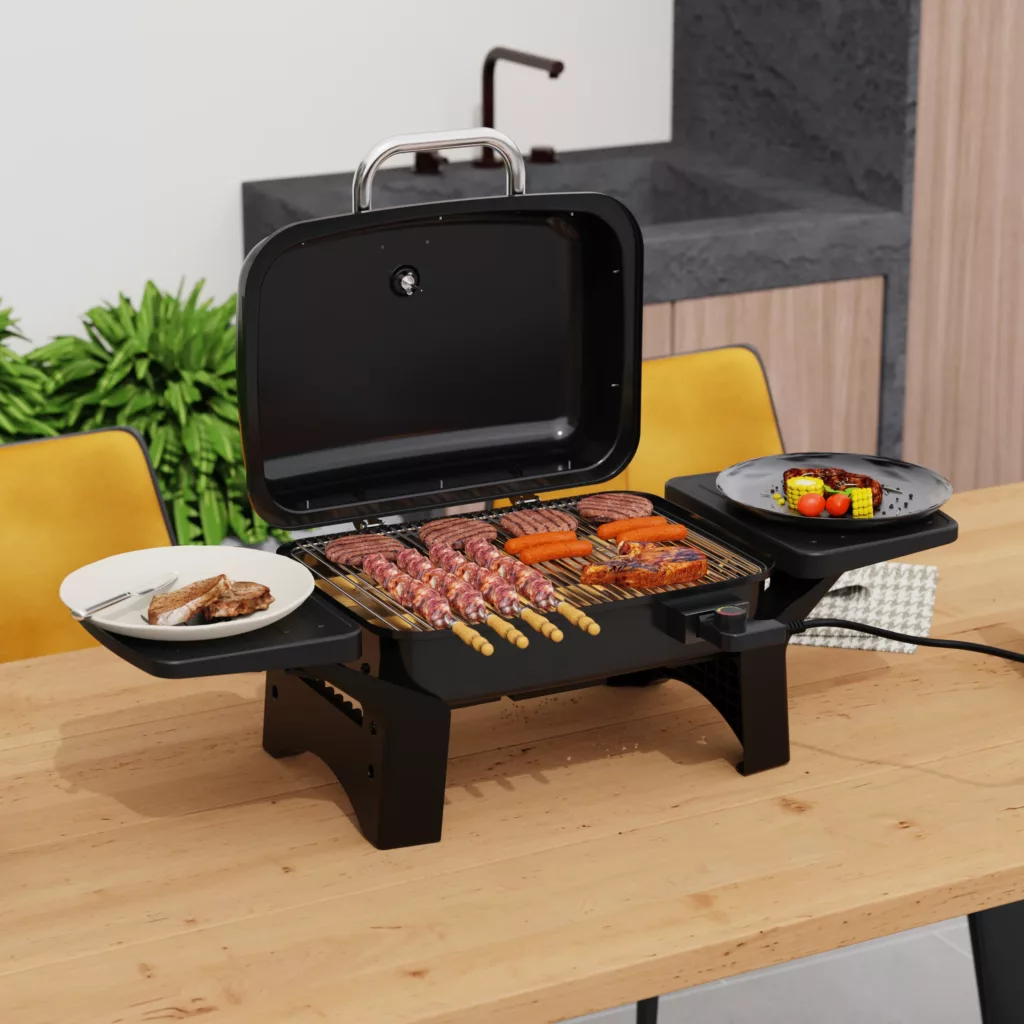
Electric grills skip combustion and make no risky smoke and hold no open flames. The lack renders electric grills very secure for small spaces and apartment balconies. The KEYO BBQ Small Portable Table Top Electric Barbecue Grill acts as a top case. The model works on a robust 2000W setup to bring quick and even heating. The grill has a user-friendly rotary power switch for fluid temperature control. The grill has a special grease collection tray that grabs drips and spots. The tray holds the cooking zone clean and turns after-BBQ cleanup fast and simple.
Cons: Reliance on Outlets and Missing the BBQ Flame
The plain limit involves movement. Users stay linked to an electrical outlet. Also, electric grills bring a fine sear and steady warmth. Electric units cannot copy the real wood-fired taste of classic barbecues.
Ideal Scenarios
Indoor electric grills form the top fix for dwellers in tall apartments, folks with firm fire guidelines, or health-focused buyers who seek to lessen contact with the harmful agents sometimes linked to dense charcoal smoke.
The Head-to-Head Showdown: Electric vs Gas vs Charcoal
| Feature | Charcoal | Gas | Electric |
| Flavor Profile | Rich, authentic smoky taste | Clean taste, slight smoke | Pure food taste, zero smoke |
| Preheat Time | 20 to 30 minutes | 5 to 10 minutes | 3 to 5 minutes |
| Temperature Control | Requires manual airflow adjustment | Precise knob adjustments | Precise thermostat dial |
| Cleaning Effort | High (requires ash disposal) | Medium (scraping grates and grease) | Low (removable drip trays) |
| Space & Safety Rules | Needs open outdoor space, open flame | Safe for patios, requires ventilation | Safe for indoors and apartment balconies |
Flavor Profile & Cooking Performance
When taste serves as your main focus, charcoal claims victory in the match by adding clear fullness to food. Gas offers a worthy sear and pure cooking setup. Gas works well for tender goods like fish and vegetables. Electric brings firm, level outcomes that center on the basic taste of the marinade and the ingredients.
Ease of Use & Cleaning Efforts
Electric heads the ranking for sheer straightforwardness. Electric demands merely a power outlet. Gas places near second with steady button ignition and basic grease trap care. Charcoal requires a direct method for starting the fire and later removal of soot and ash. But new ash catcher builds from KEYO BBQ wholesale supplier have eased this duty a lot.
Cost Breakdown: Initial Investment vs. Long-Term Fuel
Charcoal kettles usually display the smallest upfront buying cost. The repeated expense of obtaining top lump wood or briquettes grows with time. Gas needs a bigger starting outlay. Fuel for gas stays somewhat cheap and holds for a long time. Electric shows a middling buying cost and runs at a quite low expense. Electric uses the home’s usual energy network.
Health, Safety & Space Restrictions
For buyers stressing breathing health or dwelling in bound areas, electric stands as the clear leader. Electric gives off no carbon monoxide or dense smoke. Gas remains very secure but draws on a burnable fuel kind that calls for simple leak reviews. Charcoal shows the highest risk of fire and smoke intake. Charcoal demands employment in vast open outdoor spots.
FAQ
Q: Which grill is the healthiest option?
A: Gear-driven by electricity counts as the healthiest choice in general. No combustion or open flame takes place. The absence fully removes heavy smoke creation and lessens the buildup of bad chemical mixes that arise when animal fats fall right onto burning coals. Electric also permits fine fat flow. But we provide a Smokeless Charcoal Grill, which minimizes smoke while delivering perfectly grilled meats and vegetables
Q: Does food cooked on an electric grill taste like real BBQ?
A: Food will taste good, wet, and fully seared. Food will lack the key smoky taste of classic barbecue. No burning wood or evaporated fat climbs from warm coals. The taste qualities depend wholly on meat quality, marinades, and seasoning rubs.
Q: Is using an electric grill healthier than using a charcoal grill?
A: Yes, electric grilling is much healthier from a breathing and chemical perspective. Charcoal makes small particle stuff and smoke that harms steady intake. Plus, cooking over sharp charcoal warmth can cause meat charring. The charring forms higher carcinogen amounts. Electric supplies a managed, smoke-free setup.
Q: What type of grill should I buy?
A: Buy a charcoal unit if counting as a flavor supporter who enjoys the classic smoking method. Buy a gas unit if prizing ease, fast start times, and exact temperature control for common family suppers. Buy an electricity-driven unit if dwelling in an apartment, adhering to fire rules, or stressing a smoke-free, healthy cooking environment.