
Indoor Electric vs. Outdoor Charcoal Grill: Which one is Better?
Space often determines the right choice of cooking equipment. The choice between cooking styles depends on location and method of cooking. City residents with small outdoor spots deal with unique issues unlike homeowners with large yards. This guide compares plug-in devices with traditional briquette cookers to match the choice to lifestyle and room size.
Understanding the Core Match: Lifestyle and Grilling Space
The Rise of Indoor Electric Grills for Apartments
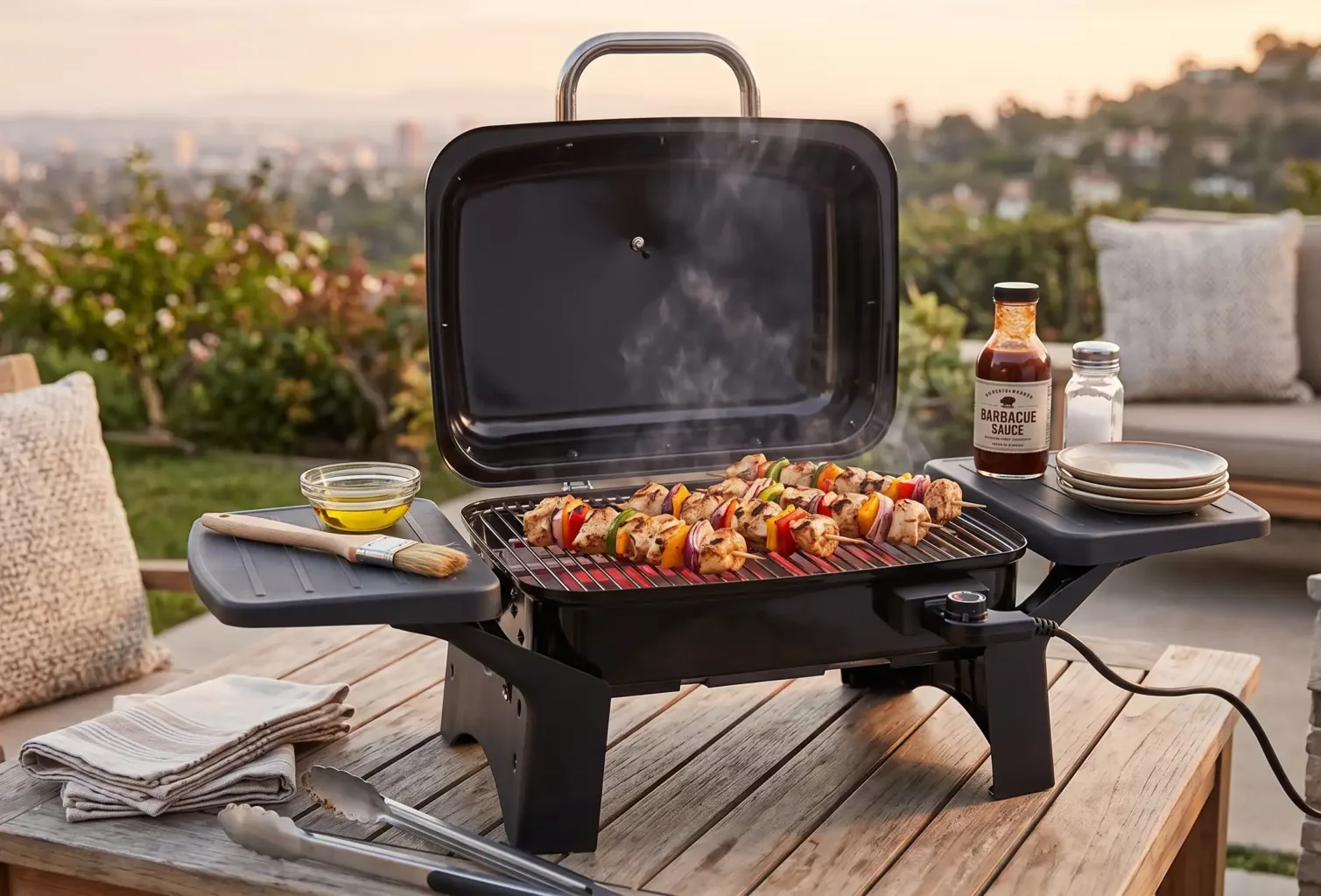
Urban living often means giving up outdoor spaces. Traditional cooking methods become hard or impossible because of this situation. People in high-rise buildings, condominiums, or apartments with small balconies need a simple plug-in cooking device. An electric BBQ delivers a convenient and smoke-free grilling solution. The solution uses electricity instead of charcoal or gas. This solution uses electricity instead of charcoal or gas. The electric BBQ fits apartments, balconies, and indoor areas where open flame faces restrictions.
When space stays tight, finding the right equipment from a reliable wholesale supplier becomes essential. As a trusted provider, KEYO BBQ offers specific models tailored for compact living.
Why Outdoor Charcoal Grills Rule the Backyard
If you own a big patio, garden, or wide open yard, the traditional briquette cooker stays the clear leader for weekend cooking events. Different from indoor types, these strong units need good airflow because of the normal gases that come from burning wood and briquettes. The round charcoal BBQ grill classic design fits well in any outdoor space. It offers both useful performance and nice appearance.
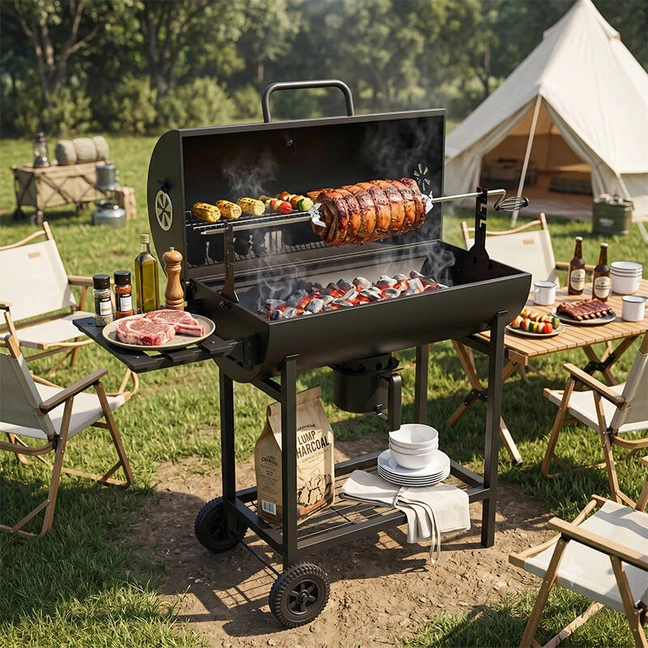
For example, the deep body grill holds extra charcoal. This creates steady heat over a longer time. Such features work well for thick cuts of meat or whole birds. The setup delivers even cooking results and deep smoky tastes through strong heat movement. For fast grilling at high temperatures, the shallow body grill serves as the main choice. It warms up quickly and suits searing steaks plus burgers. Whether people plan a local gathering or a calm meal with family at night, the large space in a backyard easily supports the real hands-on process that real fire cooking needs.
Flavor and Performance: Can Electricity Match Charcoal?
The Authentic Smoky Flavor of Charcoal
The debate over flavor is where traditionalists draw a firm line. A round charcoal BBQ grill uses charcoal as fuel. The grill provides even heat distribution. The distribution ensures food stays crispy on the outside and juicy on the inside. The grill retains the unique smoky flavor of charcoal grilling. Juices from the food drip onto the hot coals. The juices vaporize and rise back up. The process coats the food in a rich, woody aroma. Synthetic means cannot fully replicate that aroma.
The structural shape of these cookers further enhances the culinary output. The kettle charcoal BBQ suits both slow cooking and high-heat grilling. The deep-body design retains more charcoal. The design ensures steady, prolonged heat for tender, smoky meats like thick cuts and whole poultry. A perfect char and an intense flavor profile also become achievable. The shallow design allows food to sit closer to the heat. Slow-smoked ribs and rapidly seared skewers both benefit from the performance of a classic briquette setup.
Consistent Heat and Smokeless Cooking of Electric Grills
Traditionalists praise the smoky aroma. Modern plug-in devices excel in precision, consistency, and environmental control at the same time. An electric grill provides consistent heat control. The control supports precise cooking. An electric barbecue delivers authentic grilled flavors without smoke emissions. The barbecue becomes highly practical for users who want a mess-free and environmentally friendly grilling experience.
Practicality Battle: Convenience, Safety, and Cleanup
Setup and Preheating Time
The preparation and maintenance routines for these two cooking styles differ greatly. The following operational differences highlight the contrast:
- Initial Setup: Plug-in devices require only a power outlet. The requirement means the heating process can start instantly. Traditional fire-based units require arrangement of briquettes, application of starters, and waiting for the coals to ash over.
- Temperature Management: Plug-in models feature rotary dials and built-in lid thermometers. The features allow easy monitoring of cooking temperatures. The monitoring ensures dishes reach perfection. Fire-based cookers require manual manipulation of adjustable air vents. The manipulation controls airflow and temperature inside the grill.
- Post-Meal Cleanup: Modern plug-in units utilize grease trays. The trays can be washed in minutes. Traditional units involve ash management. Modern designs have improved this process with an ingenious removable ash catcher. The catcher makes clean-up a breeze. The catcher allows maintenance of grill performance with minimal effort.
Safety Regulations (Balcony Rules and HOA Restrictions)
Apartment dwellers often let safety regulations dictate purchasing decisions. Most Homeowner Associations and municipal fire codes strictly prohibit open-flame cooking devices on wooden balconies or under covered patios. Traditional fire pits and cookers rely on live embers. The reliance creates a significant fire hazard in dense residential complexes.
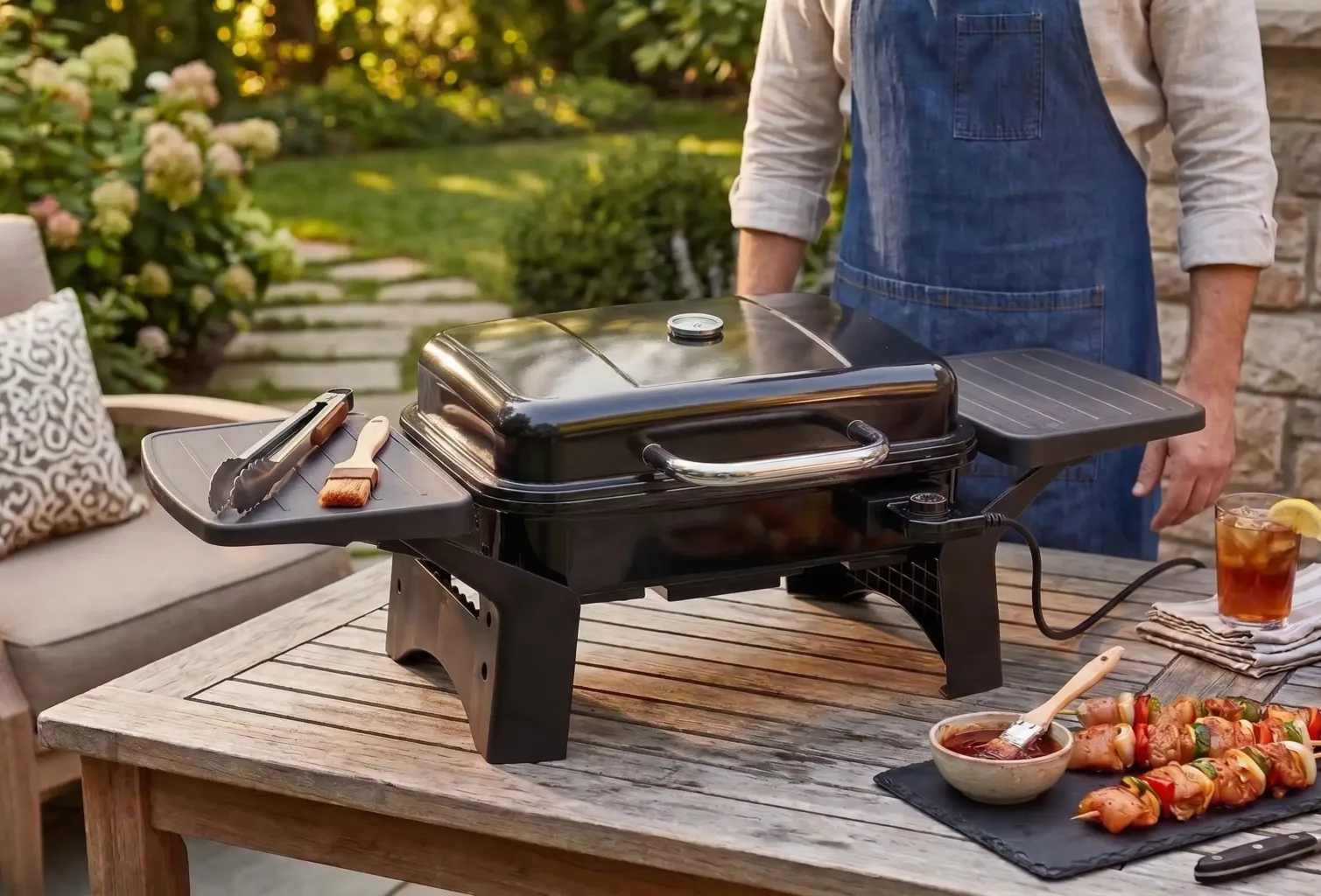
A plug-in cooking device completely bypasses these legal restrictions. No open flame, no unpredictable flare-ups, and no heavy smoke production exist with the device. The device gains universal acceptance in multi-family housing units. The device offers a safe way to enjoy outdoor-style meals without violating lease agreements or endangering neighbors.
Which Grill Should You Buy? (Final Verdict)
Available space and lifestyle pace should ultimately dictate the purchase. High-rise building residence, convenience priority, and preference for rapid, smoke-free cooking after a long workday point to a plug-in cooker as the best option. The cooker provides immediate heat, simple cleanup, and total compliance with residential safety codes.
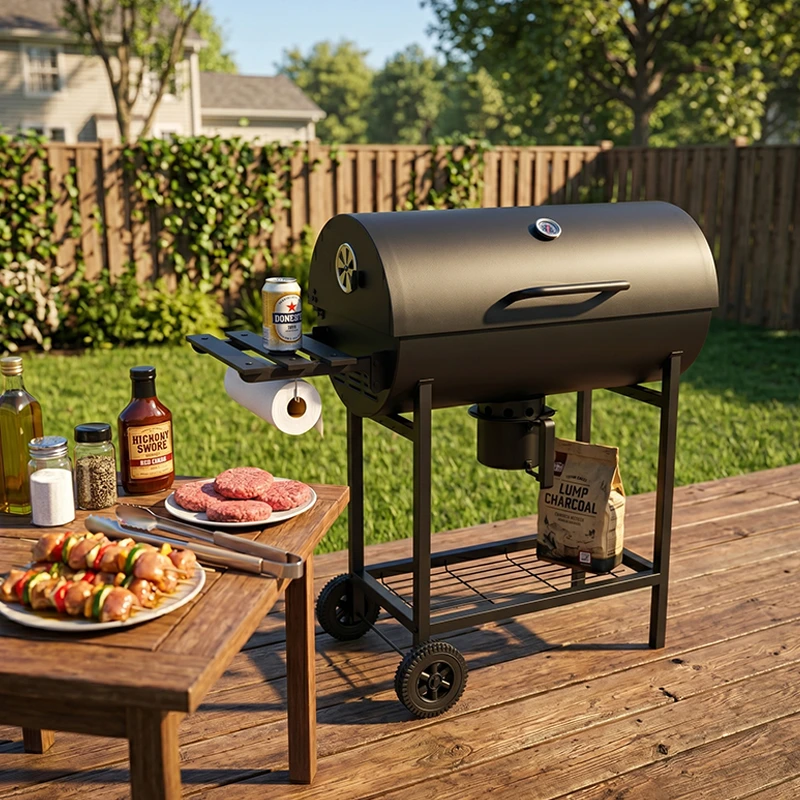
A spacious backyard, enjoyment of the ritual of lighting a fire, and craving for authentic woody flavors call for investment in a traditional briquette cooker. Models like the 22.5 Inch Round Charcoal BBQ work well. The model features a size of 69 by 58 by 98 cm and a 54 cm cooking area diameter. The model offers ample space for hosting large neighborhood parties.
Regardless of the choice, selecting a manufacturer with a proven track record remains vital. Over 20 years of experience serving over 2,000 customers across more than 100 countries supports KEYO BBQ. We deliver reliable and safe products. The products meet global compliance requirements such as GS EN1860-1, LFGB, FDA, and CE. The factory also operates an independently operated wastewater treatment system. The system demonstrates a deep commitment to environmental sustainability and stable supply chain capabilities. Alignment of spatial needs with high-quality equipment guarantees a superior culinary experience.
FAQ
Q: Can an indoor electric grill taste like an outdoor charcoal grill?
A: Electric grills offer excellent heat consistency and caramelization. The grills cannot replicate the deep, woody smoke flavor of a charcoal grill. Electric grills still provide an unbeatable, mess-free alternative for quick, everyday indoor meals.
Q: Is it safe to use a charcoal grill vs an indoor grill on an apartment balcony?
A: Most apartment complexes and fire codes strictly prohibit open-flame charcoal grills on balconies due to fire hazards. An indoor electric grill is usually the only legally compliant and safe option for apartment dwellers.
Q: Which is more cost-effective to run: electric or charcoal?
A: An electric grill typically costs much less per cooking session because electricity expenses remain low compared with repeated purchases of charcoal bags and starter fluid. However, charcoal grills often carry a lower initial purchase price.