
Electric vs Gas vs Charcoal Grills: Which is the Best
Choosing the right cooking equipment for home use calls for close attention to fuel types. This matters a lot when available outdoor areas are limited. The cooking field has grown with many new choices. These range from old wood-burning setups to current electric models. People need to know the main features of each fuel type. Such knowledge helps them pick an option that fits daily habits, space limits, and safety needs. This detailed guide looks at how the different systems work. It aims to support smart choices in today’s outdoor and indoor cooking market.
The Ultimate Showdown: Grilling in Small Spaces
Why Traditional Charcoal Grills Struggle in Tight Areas
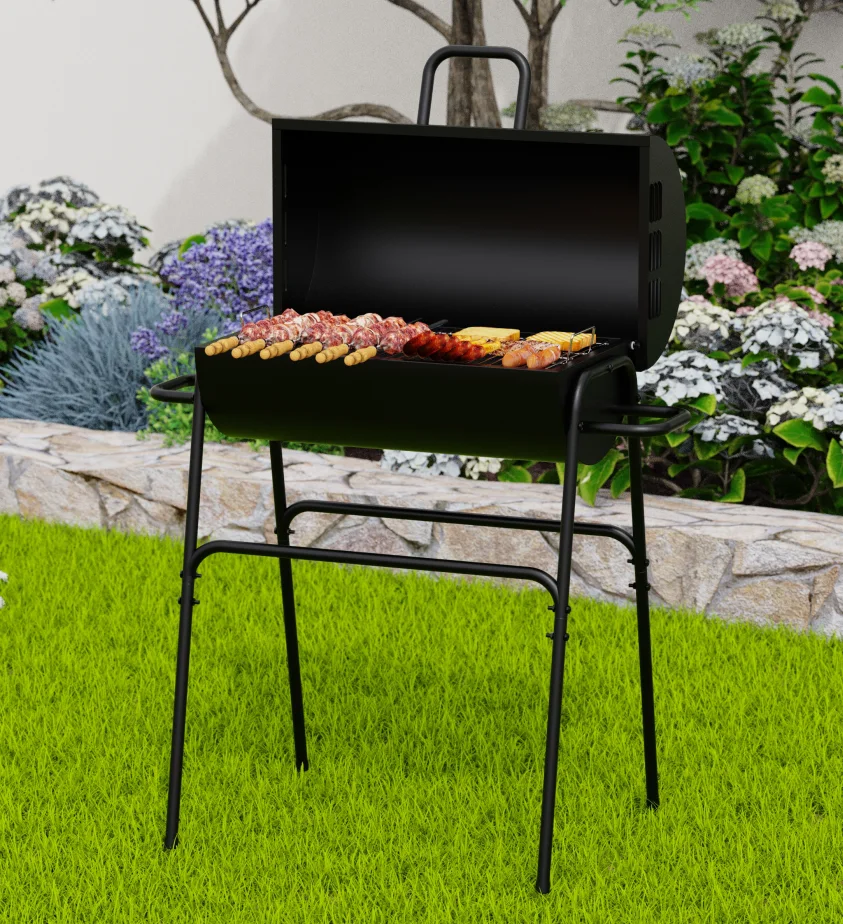
Standard cooking systems burn solid fuels to produce deep smoky tastes. Still, these systems meet real problems in small spots. A standard round charcoal grill burns charcoal for steady heat spread. The process leaves food crisp outside and moist inside while it keeps the special smoky note from charcoal grilling. Even with those cooking gains, the burning step creates heavy smoke. The square smokeless fire pit or stainless steel smokeless fire pit applies dual chambers or airflow methods to cut smoke output. Yet both stainless steel fire pits need one meter of clearance from any flammable items, plus regular ash removal. That required safety distance and the natural smoke make classic solid fuel systems a poor match for narrow apartment balconies or crowded housing zones.
The Rise of Electric Grills for Balconies and Patios
City homes keep getting smaller, so electricity-powered units have grown popular in the market. An electric BBQ grill serves as a handy smoke-free grilling choice that runs on electricity rather than charcoal or gas. The unit works well in apartment balconies and indoor spots where open flames are limited. For buyers who want dependable and cleaner appliances, KEYO BBQ supplies high-grade options such as the Small Electric Barbecue Grill Portable Table Top BBQ Model DD01-008. This exact model holds a product size of 104.5 by 46 by 35 cm and a cooking area of 46 by 35 cm while it runs on a 240V 2000W power setup. The electric barbeque grill stands as a neat, low-maintenance choice that spreads heat evenly. The grill supports healthy cooking since it lowers extra oil needs and holds food moisture with few flare-ups.
Compact Gas Grills: Finding the Middle Ground
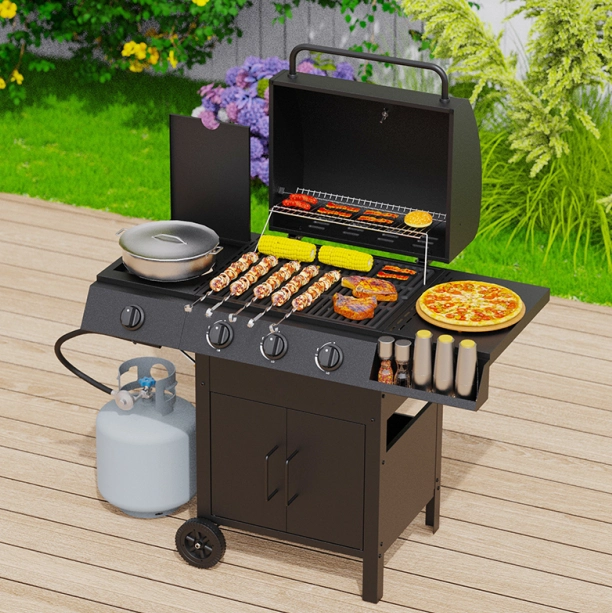
Some cooks want the feel of live flame cooking without the long prep needed for solid fuels. In those cases, liquid propane and natural gas systems give a solid middle choice. A gas barbecue grill acts as a flexible unit that mixes the pleasure of classic grilling with the ease of gas power. The grill spreads heat evenly and lights fast, which makes the unit simple for new users and skilled ones alike. A 2-burner gas BBQ stays compact yet strong and suits small families or tight areas. The unit cooks efficiently and lets each burner run at its own temperature. Models like the Natural Gas Grill 2 Burner Propane BBQ QL01-026, which measures 109.5 by 56 by 101.5 cm and delivers 128000 BTU, show how compact builds can still reach strong results.
Indoor Grill vs Charcoal Grill: Making the Safe Choice
Ventilation and Smoke Hazards Explained
Any cooking device used inside must meet strict ventilation rules to stop dangerous gas buildup. Solid fuels burn and create carbon monoxide plus thick smoke. These elements turn into serious health risks in closed rooms that lack strong exhaust systems. The burning step needs steady fresh oxygen, so classic setups depend fully on open-air places. Even when advanced airflow controls cut emissions, the basic reaction of burning carbon fuels means the units must stay outdoors.
Why Electric is the Only True Indoor Solution
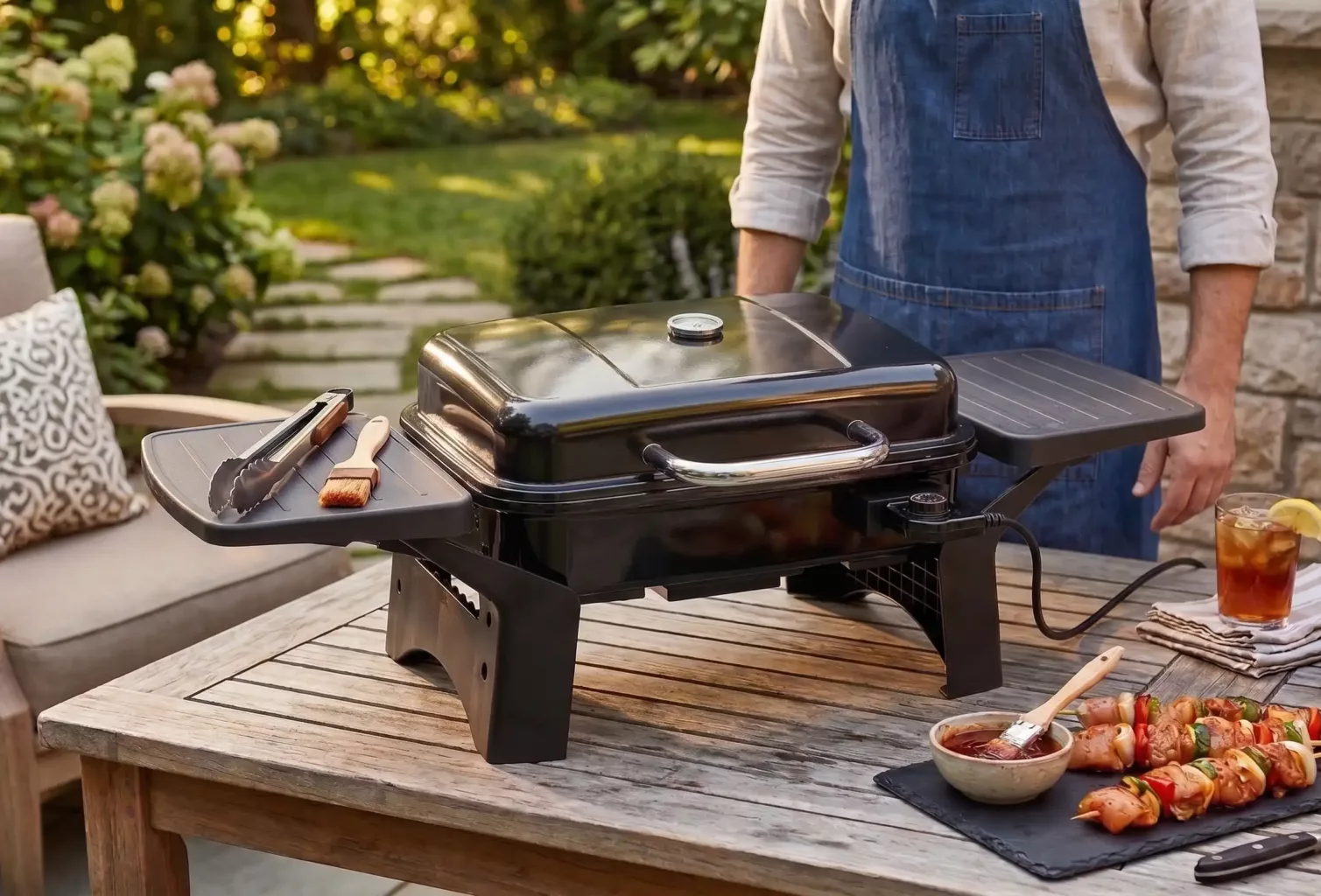
When cooking, safety and air quality matter indoors most. Electricity-based appliances remove the burning step completely. Since no fuel burns, the units create no harmful gases or sudden flare-ups from grease drops hitting flames. Electric grills deliver steady warmth so every bite tastes good. The units work as the right pick for an electric grill and electric barbecue because they heat fast, clean easily, and use energy well, which makes them suitable for indoor work. Also, the electric tabletop grill stays compact, runs simply, and covers all normal cooking demands.
Analyzing Safety: Electric vs Gas vs Charcoal BBQ Grills
Charcoal Grills: Managing Open Flames and Embers
Live embers need careful watching and proper tools to keep the cooking area secure. KEYO BBQ wholesale supplier puts user protection first in product design. A clear example appears in the Outdoor Portable Folding BBQ Grill Model ZS01-014. This compact unit measures 56 by 31 by 36.2 cm with a cooking area of 41 by 26 cm and receives careful engineering for both safety and ease. The model includes insulated side handles and a heat-resistant lid so users can open and close the unit safely even at high heat. The portable outdoor grill uses strong stainless steel protective layers that lower burn risks and add extra security.
Gas Grills: Proper Cylinder Storage and Leak Prevention
Liquid propane and natural gas systems demand exact handling steps to reduce dangers from pressurized fuels. Storage of cylinders must occur in open, ventilated zones far from direct heat. In addition, regular leak checks with soapy water on hose joints form a basic routine. To build buyer trust, every grill, including propane gas grills and gas charcoal grill combos, passes ignition tests, gas leak checks, and heat performance tests before the unit leaves the factory.
Electric Grills: The Safest Bet?
Electricity-powered systems cut the main risks of outdoor cooking because they remove open flames. The electric BBQ grill comes with heat-resistant handles so users can shift or adjust the unit without burn danger, even when the surface stays hot. The rotary power switch offers clear and simple control. The lack of pressurized gas tanks and burning embers makes these units the top selection for places with tight fire rules such as apartment buildings and tall balconies.
Efficiency and Cost: Which Grill Gives You the Best Return?
Heat-up Time Comparison
Time control matters for many home cooks. Different fuel types give different warm-up speeds, and those speeds shape the whole cooking process.
- Electricity reaches full heat very fast because energy moves straight to the surface. Strong power output lets the unit warm quickly and hold steady temperatures.
- Liquid Propane works as a common pick among barbecue fans because the fuel burns clean and lights without delay. The fuel supplies steady warmth, which supports the exact cooking of meats, vegetables, and many other foods.
- Solid fuel needs the longest time since wood and briquettes must catch fire from ash and reach the best temperature before cooking starts.
Fuel Cost over Time (Electricity vs. Propane vs. Charcoal)
A long-term cost review shows clear differences across the three systems. Natural gas BBQ grills suit home use well because they provide steady fuel flow and stable heat levels. The option stays economical and simple for regular backyard meals. Propane grill earns notice for easy carrying and strong fuel savings, which makes the unit right for users who seek fast warm-up and straightforward handling. Solid fuels may look cheap at first, but the repeated purchase of quality briquettes or hardwood lump charcoal adds up over months. Electricity prices change by area, but the fuel usually counts as a very budget-friendly choice for short daily cooking.
FAQ
Q: Which is more cost-efficient: electric, gas, or charcoal grills?
A: When people review electric vs gas vs charcoal BBQ grills for efficiency, gas grills usually give the lowest cost per cook, while electric grills reach the highest energy transfer rate with almost no heat waste. Charcoal generally costs the most to replace over time.
Q: Do electric grills lack the flavor compared to gas or charcoal?
A: Electric grills cannot copy the exact smoky taste of charcoal since no wood or briquettes burn. Still, the units deliver strong, searing results. Gas grills provide a small flavor gain over electric because drippings turn to vapor on flavorizer bars, but charcoal stays the clear leader for real smoky flavor.
Q: How do electric vs gas vs charcoal grills for small spaces safety efficiency compare overall?
A: For small spaces, electric grills lead in safety and space use. Gas grills balance outdoor performance and flavor, yet need safe propane storage. Charcoal grills, while unmatched for flavor, are the least suitable for small spaces because of safety issues, smoke, and slower warm-up performance.