
Grill vs. Griddle: What’s the Difference & Which is Better?
What is a BBQ Grill?
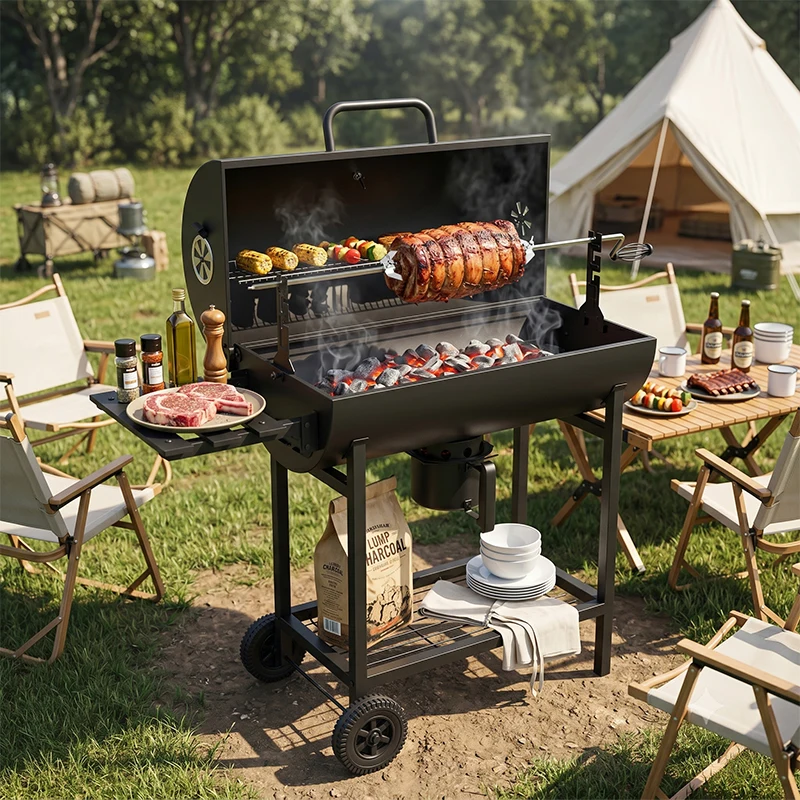
The Anatomy of a Grill (Grates & Open Flame)
A grill brings together raised cooking grates and an open heat source placed below. Cooking grates hold food during the process. Heat and smoke move around without restriction. Juices and fat fall toward the flame. The falling juices and fat generate smoky aromas along with a lightly charred surface. Direct heat creates distinctive grill marks on food and also forms crisp edges and delivers rich barbecue flavor.
Best Foods for Different Grills (Steaks, Burgers, BBQ Smoker Cuts)
The physical shape and depth of the grill determine suitable foods. The deep body grill holds more charcoal. This capacity provides steady and prolonged heat. The design suits thick meat cuts or whole birds. Superior heat circulation supports even cooking and rich smoky flavors. The shallow design places food closer to the heat source. This setup suits searing steaks, burgers, and other fast-cooking foods. Open grates let excess fat drip away from the meat. The process creates a signature charred crust and beautiful grill marks. Barbecue enthusiasts seek these results. Large cuts of meat, bone-in chicken, and thick vegetable slices perform well in this environment.
What is a Flat Top Griddle?
The Anatomy of a Griddle (Solid Flat Surface)
A flat-top griddle features a smooth, solid flat cooking surface. A traditional barbecue uses open grates. A griddle instead supplies an uninterrupted area. This area suits outdoor cooking and large gatherings. The solid steel or cast iron plate stops small or delicate ingredients from falling into the burner flames. Many modern griddles include an integrated waste oil collector. The collector sits conveniently on the side. This feature simplifies clean-up.
Best Foods for Griddling (Eggs, Pancakes, Smashed Burgers)
The uninterrupted solid surface makes a flat-top griddle suitable for many foods. Examples include pancakes, eggs, burgers, and steaks. The flat-top griddle works well for bacon, vegetables, and breakfast items. These foods need a flat surface for even cooking. A griddle allows cooking of delicate items like fish or thinly sliced vegetables. The items stay secure without falling through grates. Food cooks in natural juices and rendered fats. This process builds a delicious and even caramelized crust on items like smashed burgers or diner-style hash browns.
Grill vs. Griddle: Key Differences Compared
Flavor Profile (Smoky BBQ vs. Caramelized Crust)
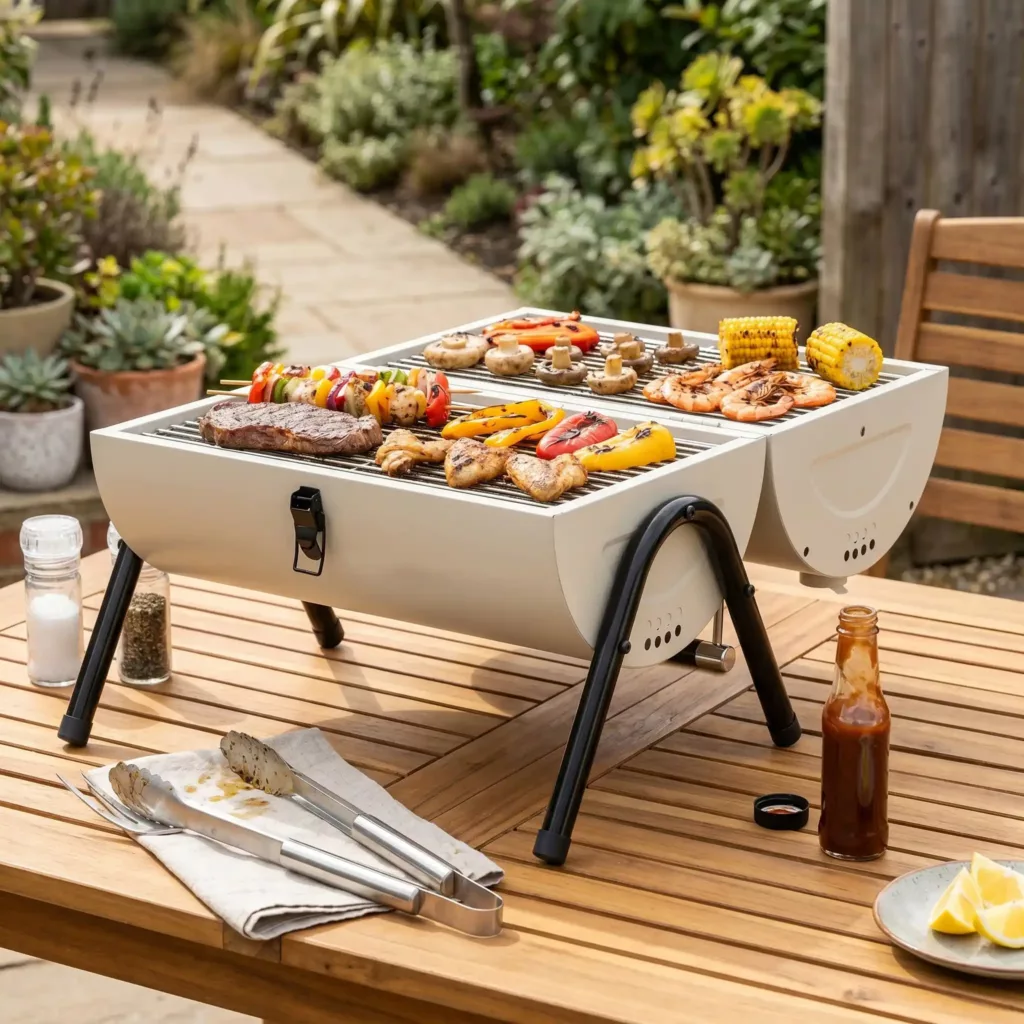
The main difference between an outdoor grill and a griddle appears in the flavor profile. A charcoal grill burns charcoal as fuel. Charcoal supplies even heat distribution. Food stays crispy outside and juicy inside. The food keeps the unique smoky flavor from charcoal grilling. Aromatic smoke rises when meat juices drip onto hot coals or gas burner shields. This smoke adds authentic, rustic barbecue taste. A griddle sears ingredients quickly on a high-temperature plate. The process locks in freshness. No open flame touches the food directly. No smoke forms from dripping fats. The result lacks traditional smoky flavor. Instead, the surface produces a rich, edge-to-edge caramelized crust.
Cooking Temperature & Heat Retention
Cooking appliances manage heat generation and retention based on fuel source and construction. Grills use adjustable charcoal trays or individual gas burners. These components form distinct temperature zones. An adjustable height barbecue lets the user raise or lower the grill grate with ease. Precise heat control supports perfect cooking. Griddles emphasize uniform heat distribution over the full flat surface.
Here is a quick comparison of heat characteristics:
| Appliance Type | Heat Distribution | Temperature Control Method | Best Culinary Use |
| Grill | Variable zones with direct and indirect heat | Adjustable air vents and raising or lowering charcoal trays | High heat searing and low temperature smoking |
| Griddle | Uniform and even across the heavy metal plate | Independent gas burner dials | Consistent cooking of multiple small or liquid items |
Cleaning and Maintenance
Maintenance procedures vary with equipment anatomy. A traditional charcoal grill follows several cleaning steps. Brushing the metal cooking grids with a wire brush removes stubborn food residue. Emptying accumulated ash comes next. A removable ash catcher simplifies the task. The catcher supports grill performance with minimal effort. The user detaches the catcher, empties the contents, and replaces the unit. This sequence delivers a clean grilling experience each time.
A gas griddle routine centers on grease management. Scraping the solid flat surface with a metal spatula moves leftover debris into the grease trap. Emptying the dedicated grease collection system captures excess oils and fats neatly. Seasoning the cooking plate with a light coat of cooking oil protects against rust and preserves non-stick properties.
Grill vs. Griddle: Which Should You Choose?
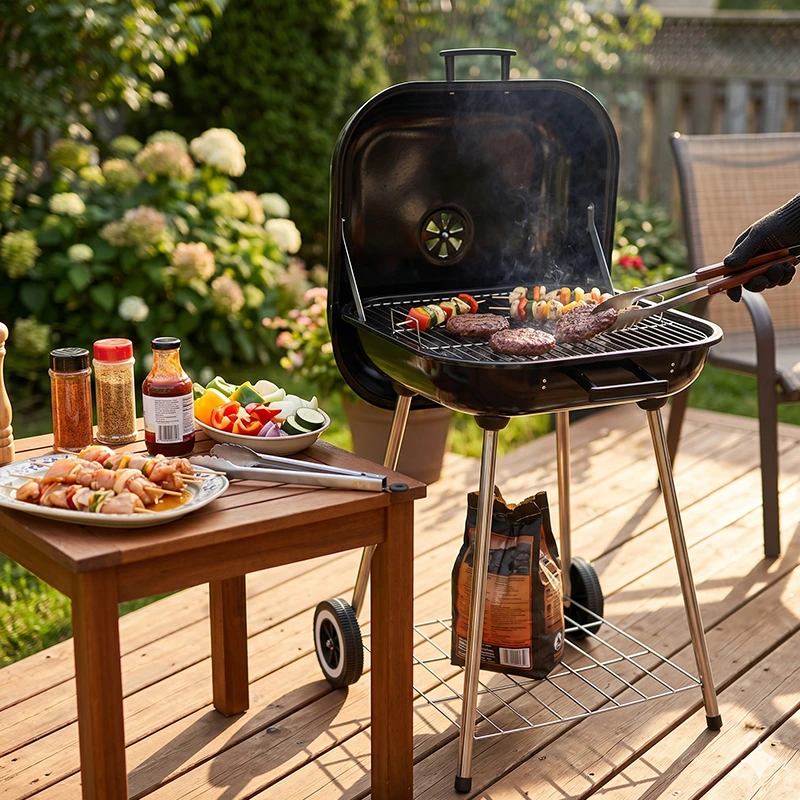
When to Choose a Gas or Charcoal Grill
A traditional gas or charcoal grill fits users who value authentic barbecue flavors and classic outdoor cooking. KEYO BBQ 22-inch kettle charcoal grill supplies a larger grilling space. The size suits family gatherings, outdoor camping, and group barbecues. Regular menus with thick bone-in steaks, whole poultry, and pork ribs benefit from slow cooking and a deep smoky aroma. A grill serves as the best option in these cases. Interactive cooking adds major entertainment value.
When to Choose a Flat Top Griddle
A flat top griddle works best when menu versatility and high-volume cooking rank as top priorities. The design supports grilling and cooking large food quantities with ease. Outdoor brunch parties often require cooking liquid batters like pancakes next to eggs and bacon at the same time. A griddle supplies the needed uninterrupted surface area. KEYO BBQ gas grill and griddle combo adds further value. This dual-function device merges gas grill power with griddle versatility. The combination expands cooking options for outdoor and indoor chefs.
FAQ
Q: What is the main difference between a grill and a griddle?
A: The primary distinction rests in the cooking surface. A grill features open metal grates over a direct heat source. Fat drips away through the grates. This action produces a classic smoky flavor. A griddle uses a smooth, solid flat surface. The surface suits foods like eggs, pancakes, and delicate vegetables. These items might otherwise fall through traditional grill grates.
Q: Can I use a griddle on a gas grill?
A: Yes, this option works well. A griddle top for a gas grill fits the existing gas grill exactly. The accessory supplies a flat cooking surface for various meals. This practical addition converts the gas grill into a griddle. The change expands grill versatility and adds more cooking options in the outdoor kitchen setup.
Q: Which is healthier: an outdoor grill vs. griddle?
A: Both methods deliver health benefits based on use. Grilling lets excess fats drip off meat through open grates. This action lowers overall fat content in served food. Griddling needs a small amount of oil to prevent sticking. Modern electric barbeque grills support healthy cooking. These units cut extra oil needs and keep food juicy with minimal flare-ups.
Q: Are indoor grill vs griddle cooking experiences the same as outdoor?
A: Indoor and outdoor cooking differ in fuel type and total heat output. Indoor options such as a small indoor electric grill or electric barbecue grill supply even heating. These units remove the need for gas or charcoal. The appliances deliver authentic grilled flavors without dangerous smoke emissions. Outdoor gas and charcoal grills reach higher temperatures. The units provide traditional open-air barbecue ambiance. Indoor units cannot match this ambiance.
Q: Is it harder to clean a flat top grill vs. griddle?
A: Cleaning a flat top griddle proves easier and faster than cleaning traditional grill grates. Griddles include an integrated grease collection system at the bottom. The system captures excess oils and fats during cooking. Traditional grills demand vigorous brushing of grates. Periodic emptying of ash catchers adds time. These tasks create a more time-consuming and messy process.