
OEM and ODM Grills: From Product Brief to Approved Production
An idealized grill concept only scratches the surface. The trick for importers and retailers shopping barbecue grill manufacturers is converting that idea into something quotable, samplable in the latitudes of place — made, which could be reproduced loyally. If you are creating a new brand from scratch, or adding to an existing line, a clear approval process prevents more headaches than buying under pressure through a purchase order.
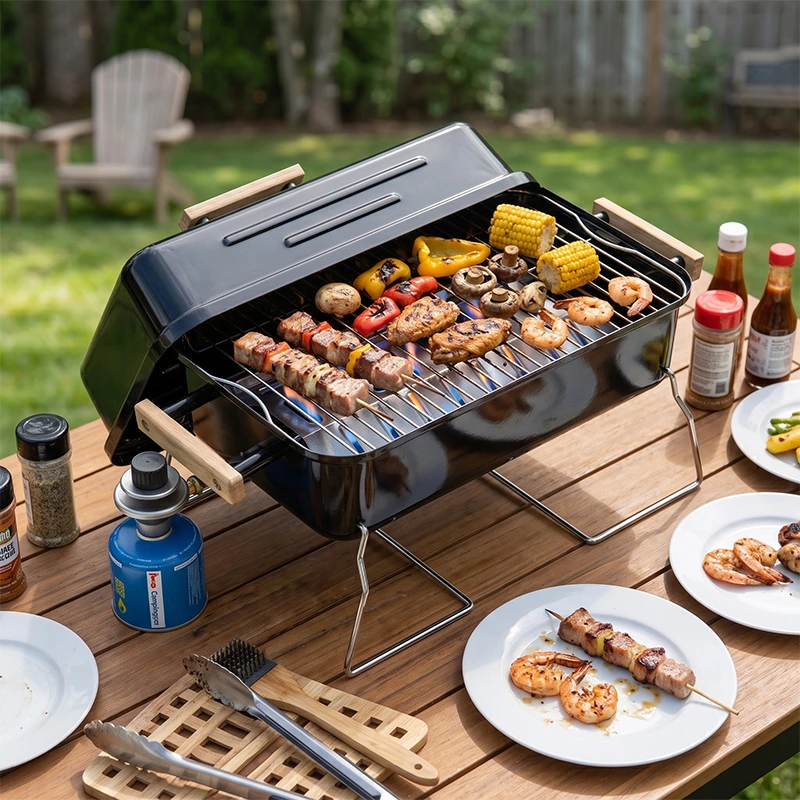
OEM vs. ODM Grills: Which Manufacturing Model Fits Your Brand?
Understanding OEM, ODM, and Private Label BBQ Grills
OEM suits buyers with defined specifications; ODM starts with the manufacturer’s design and development resources. Private label grill products often use an existing design with customized branding or packaging. This choice shapes tooling budgets and development responsibilities.
| Approach | Starting point | Typical buyer priority |
| OEM | Buyer-defined requirements | Design control |
| ODM | Manufacturer-developed design | Faster product selection |
| Private label | Existing product platform | Branding and presentation |
Who Controls Grill Design, Tooling, and Specifications?
Discuss who owns the drawings, pays for tooling, and approves revisions before you engage an OEM BBQ manufacturer. Changing a handle or lid might require assembly, use carton size, or testing. Rather than leaving them in an email thread, write those decisions down. Documenting those decisions rather than having them buried in an email thread
How to Create an OEM/ODM Grill Product Brief
Define Your Market, Budget, and Order Requirements
A useful brief tells the supplier what the grill must accomplish commercially, not just how it should look. Include:
- Destination market, sales channel, and target retail price.
- Expected order volume, launch date, and preferred packaging format.
- Required safety approvals, labeling languages, and branding artwork.
- Target dimensions, cooking capacity, and features customers actually need.
For wholesale gas grills, identify the intended fuel type and destination country before comparing quotations. Price is irrelevant without market compliance.
Specify Requirements by Grill Category
This, of course, raises different engineering questions for each fuel. For the custom propane grill, check out burner controls, ignition requirements, and gas connections, and carry out positive pressure testing. Look at the material of the cooking grid itself, make checks for ventilation or removal of ash, and also how convenient it becomes to access a fuel tray in case you go with charcoal designs. Electric models need to be plugged in according to the provided voltage, plug specifications, and grease handling. Smokers also need clear fuel and airflow requirements.
As a charcoal grill manufacturer, we also ask buyers to distinguish a round kettle design from a larger trolley format. They may share a fuel source, but their construction, packaging, and target customers differ.
From Product Brief to Approved Grill Sample
Review Drawings, Prototypes, and Design Revisions
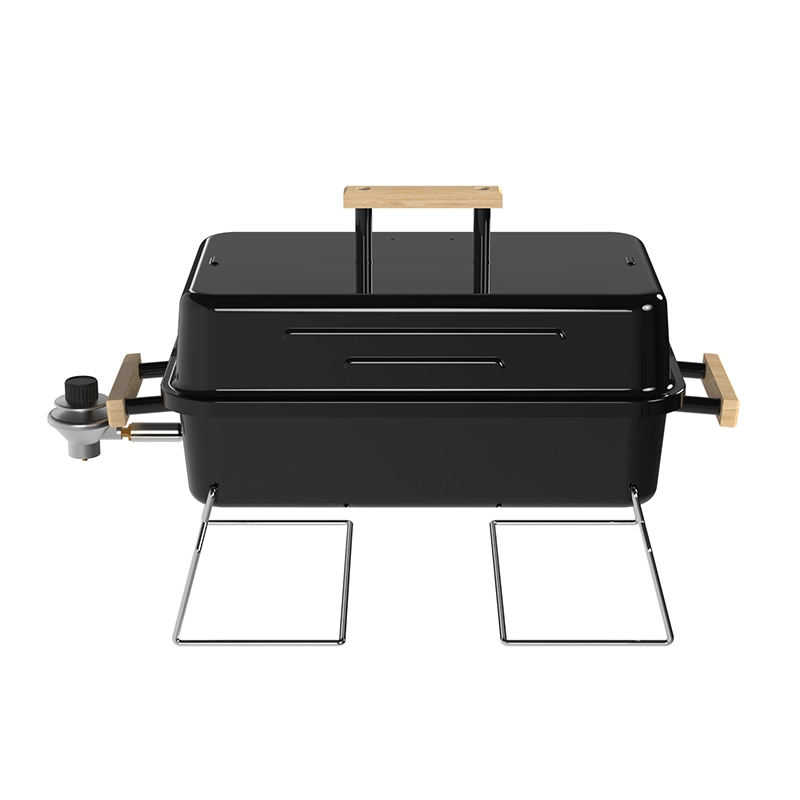
It starts with sample approval—before any pre-grilling lights are lit. Validate dimensions and tenderness specifications. Check surface finish and components/assembly instructions against your initial brief. That means an OEM kettle BBQ can take a few rounds of adjustments if something about the approved design changes, like if they revise their lid or cooking grate —or carton. An updated lid, cooking grate, or carton—if the design stipulated by agreement has changed too much for OEM kettle BBQ–that can mean several rounds of adjustment need to take place again.
Consider a retailer preparing seasonal stock: approving the box artwork before confirming assembled dimensions can create avoidable repacking work. Treat each revision as a controlled decision.
What to Check Before Approving a Sample
Use the same checklist for the supplier and your buying team:
- Measure the assembled grill and cooking area.
- Inspect welds, coatings, sharp edges, and stability.
- Test ignition or airflow, heat control, and cleaning access as applicable.
- Check logo placement, accessories, instructions, and carton protection.
- Record deviations and approve a final reference sample.
Appearance alone does not establish production readiness.
How Approved Designs Move into Mass Production
Finalize the Bill of Materials and Packaging
After unique samples pass, undertake a review of the bill of materials, drawings, finish necessities, bundling records, and approved extras. This specifies how changes will be made and approved. Even an innocuous-sounding substitution at purchase can change what consumers get. Just as a seemingly innocuous substitution during purchasing can change the product that customers receive
Establish Quality Control and Production Release Requirements
Fix the inspection points before production starts: incoming materials, assembly, as well as functional checks and final pack check. Gas models have to be powered and leak-tested, but charcoal units require balancing (and heat management). Confirm which certifications and tests pertain to the specific model and destination (not every certificate applies to all versions of a device).
Planning an OEM/ODM Grill Order with KEYO BBQ
Understand MOQ, Customization Costs, and Lead Times
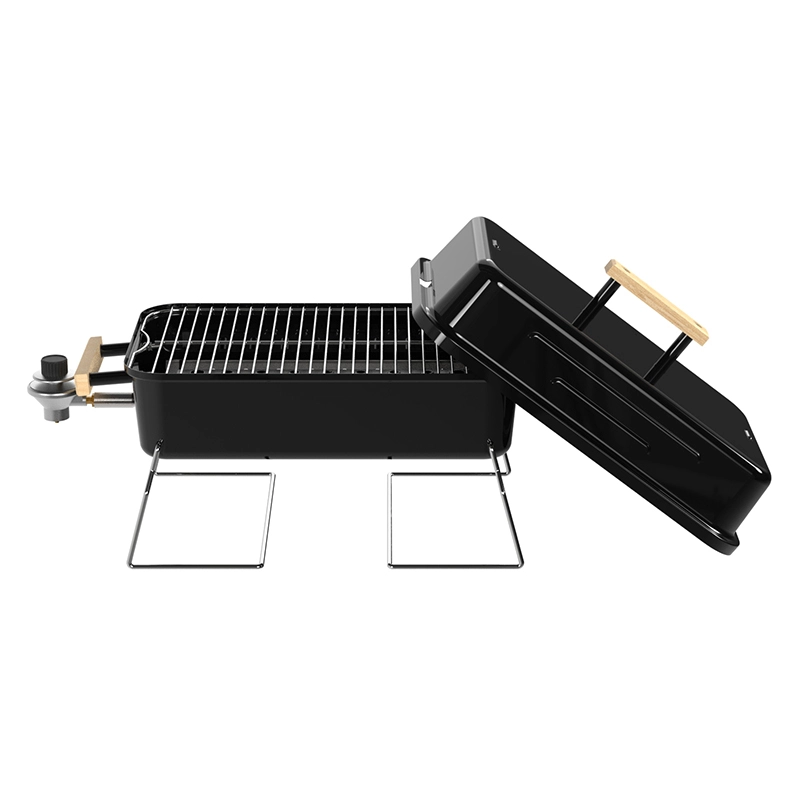
KEYO BBQ assists you in the development of these designs, as well as manufacturing, quality control, and packaging/ logistics. In our wholesale pricing, the minimum is set at 500 units, but we are open to consideration on a per-project basis. Typically, Sampling is estimated at a week, and bulk production usually takes 30–45 days, depending on the specifications & season. Your schedule may be different if new tooling is brought in or there are revisions made on the same package.
Our 400 skilled workers, 10 R&D professionals, and 12 quality-control specialists support coordination across these stages.
Send the Right Details for a Useful Quotation
Our range gives buyers practical starting points for an OEM adjustable height charcoal grill, a gas assortment, or kettle BBQ wholesale planning.
| Model | Grill type | Cooking area | Product detail |
| PG07-070 | 22.5-inch kettle charcoal | 54 cm diameter | 69 × 58 × 98 cm overall |
| FT01-070 | Adjustable charcoal trolley | 74.8 × 47.6 cm | 14 cm height adjustment |
| QL02-012 | Four-burner propane | 68 × 44 cm | Independent burner controls |
| DD01-008 | Tabletop electric | 46 × 35 cm | 240 V, 2000 W |
Just let us know what model catches your eye, and how you’d want to change that – with an expected volume of sales for the modified model. Feasibility and sample requirements can then be discussed. Request a quotation based on a specific brief instead of assumptions.
FAQ: OEM and ODM Grills
Q: What is the difference between OEM and ODM grills for private label brands?
A: OEM follows buyer-defined requirements; ODM draws on the manufacturer’s existing development work. Private labeling typically focuses on branding an established design. Confirm design ownership and allowable changes before ordering.
Q: Can I customize the design, logo, and packaging of OEM and ODM BBQ grills?
A: Yes. We support logo printing, packaging design, and tailored product specifications. The extent of customization depends on the model, technical feasibility, tooling needs, and order quantity.
Q: What is the MOQ for OEM and ODM grills?
A: Our standard wholesale MOQ is 500 pieces. Certain products or higher-value orders may allow flexibility, so request a model-specific quotation.
Q: How long do OEM grill samples and bulk orders take?
A: Sample preparation is commonly around seven days. Bulk orders are typically estimated at 30–45 days, depending on season and project complexity. Confirm timing after specifications are approved.
Q: What must buyers approve before grill mass production?
A: Approve the final sample, dimensions, materials, functional testing, applicable compliance requirements, branding, packaging, and inspection criteria. Keep one agreed specification set for production and shipment checks.