
Grill vs. Griddle: Key Differences To Know About
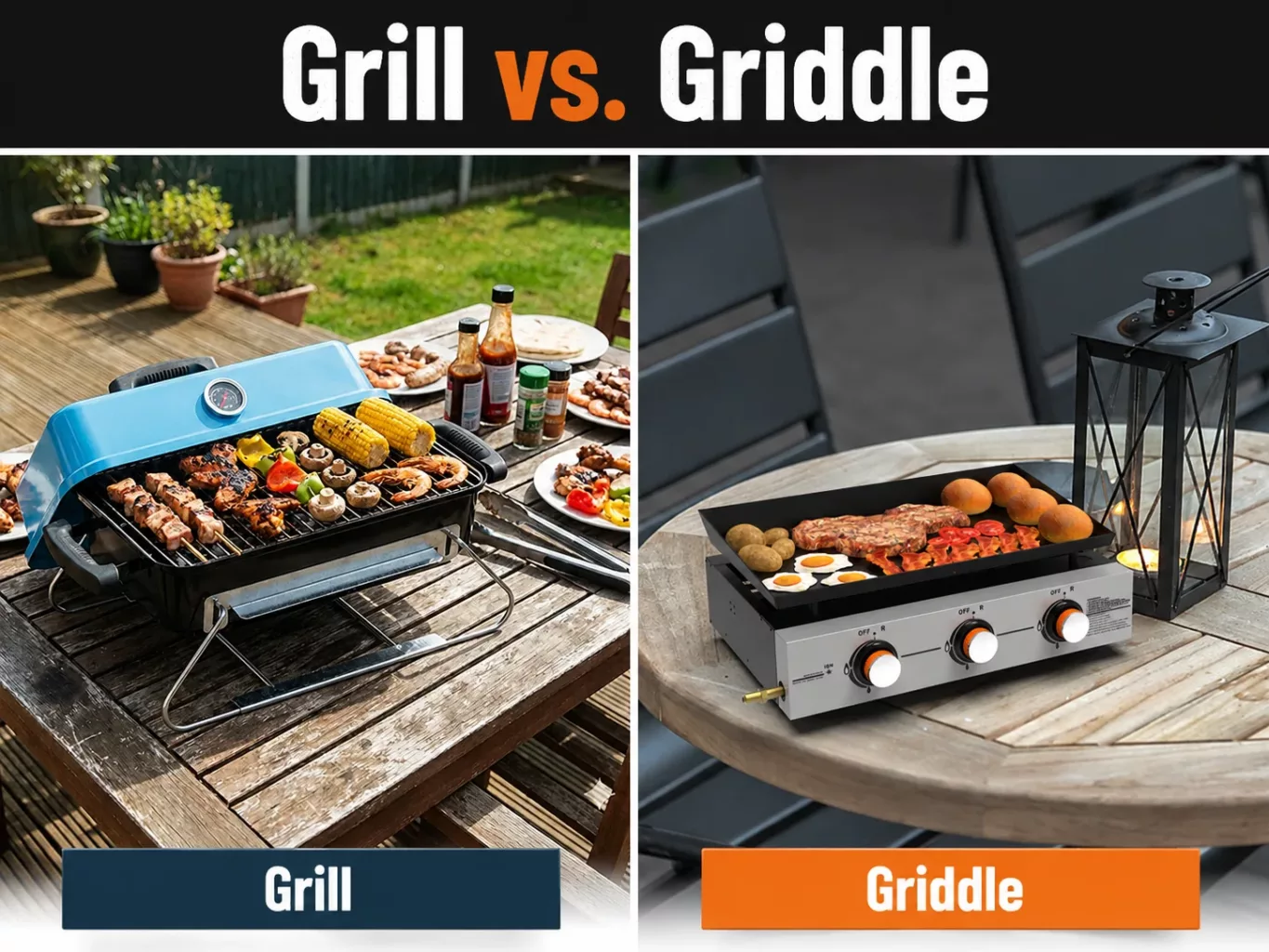
People mention grill and griddle cooking in the same way often. Whether you’re preparing a smoky steak or a golden pancake, the choice between a grill and a griddle can define your meal’s flavor and texture. Both items fill vital spots in current kitchens and yard areas. This proves true for barbecue fans who value charcoal methods. For anyone passionate about grilling or exploring flat-top cooking, understanding these distinctions helps refine technique and results.
What Are the Main Differences Between a Grill and a Griddle?
Both tops hit strong heat levels. Their forms and uses fit separate jobs. You grasp how each operates, so you pick wisely for the coming barbecue or morning meal.
Cooking Surface and Design Features
A grill commonly shows lifted bars or open bars. These permit straight touch with fire or heat base. The form makes brown lines and lifts smoky taste growth. A griddle gives a level, even top that spreads heat across the full space. This fits foods needing same browning free of burns. Materials such as cast iron and stainless steel influence performance, with cast iron favored for superior heat retention and stainless steel appreciated for corrosion resistance.
For instance, KEYO BBQ Large barbecue grill counts as a real gem in yard cooking. Height adjustable charcoal BBQ builds to fill wants of strict grill users. It supplies a broad cooking spot and many useful parts. These form traits point out how grills stress air movement and heat shifts to form stacked tastes that griddles miss.
Heat Source and Temperature Range
Grills draw on charcoal, gas, or wood for power to hit levels over 500°F (260°C). Charcoal grills stay common with strict cooks after true smoke core. Griddles mostly use electric or gas heat parts that hold firm medium-high levels near 350–450°F (175–230°C). These firm setups make them fit for soft goods like crepes or sea fish slices that call for watch over open fire risk.
How Does Cooking Technique Differ Between Grill and Griddle?
The build goes past looks. Each way forms food in clear ways via heat link. Grilling stresses fire-touched strength. Griddling centers on even steadiness.
Direct Flame vs. Even Heat Cooking
Grilling sets food right to fires or heat glow from under. This makes known burn lines as it browns natural sugars in meat or veggies. The step forms deep smoky bases valued by barbecue fans. Griddling puts even heat from under free of fire touch. This blocks fire bursts but pushes same browning on tops like pancakes or burgers.
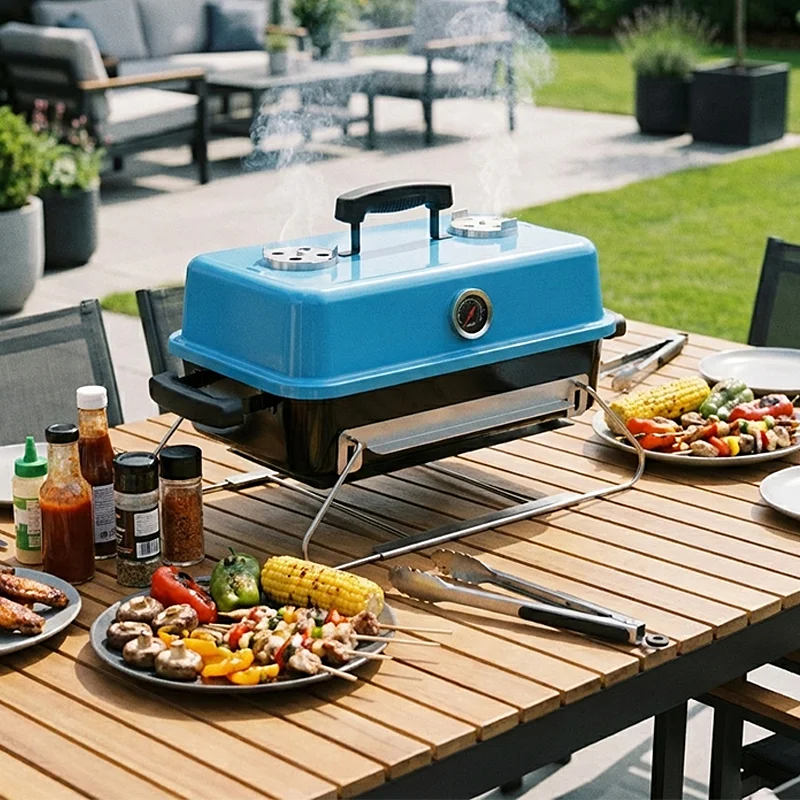
For example, Discover the ultimate grilling experience with our outdoor BBQ charcoal grills. Perfect for any outdoor occasion, these charcoal barbecue grills are designed to deliver exceptional flavor and performance. Some models hold smokers. These lift the fire-edge gain by adding scent levels beyond flat-top reach.
Suitable Foods for Each Method
Grills stand out at fast-browning meats like steaks, burgers, chicken thighs, sausages, or solid veggies such as corn and peppers. These parts gain from smoke entry. Griddles do well at making goods needing full-top touch: eggs, bacon lines, sandwiches, sea fish slices, or potato shreds all heat same without drop through holes.
A quick comparison:
| Feature | Grill | Griddle |
| Surface Type | Ridged / Open grate | Flat metal plate |
| Heat Source | Charcoal / Gas / Wood | Electric / Gas |
| Ideal Foods | Meat & Vegetables | Breakfast & Delicate Foods |
| Flavor Profile | Smoky & Charred | Clean & Evenly Browned |
Which Option Offers Better Flavor: Grill or Griddle?
Taste holds the main spot in picking between these two items. Each brings clear taste forms shaped by power kind and cooking space.
Flavor Development Through Charcoal or Gas Grilling
Charcoal grilling shows strong for its skill to add food with full smoke from coal burn. This sense mark stands in yard cooking ways around the globe. Featuring a built-in smoker, KEYO BBQ charcoal BBQ with smoker allows you to infuse your meals with rich, smoky flavors while maintaining control over heat levels for precise cooking. Gas-run types give neater ends but miss equal scent full.
The open fire starts Maillard reactions quicker than level tops. This forms firm outer skins on meats as it holds juices in.
Flavor Retention on a Flat Griddle Surface
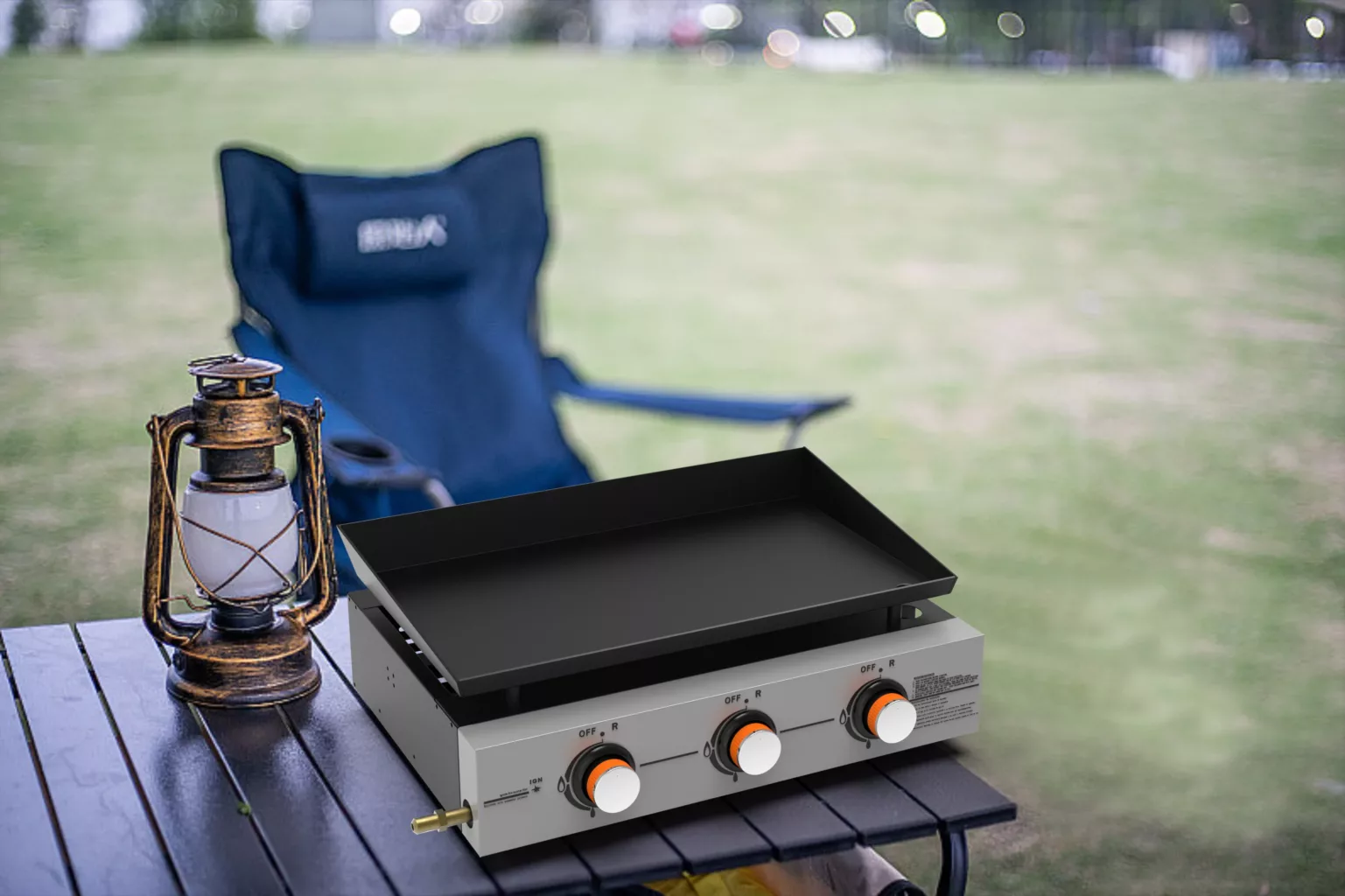
Griddles skip smoke taste add by nature. They keep spices well since no parts drop through bars. Oils move same across the top to hold wetness. This fits when soft feel tops burn draw.
For instance, chefs choose griddles in making smash burgers where same browning sets worth more than smoke power.
How to Choose Between a Grill and a Griddle Based on Your Needs?
The choice between these items rests much on life points: space at hand, how often yard meets beat indoor eats, taste aims, and care choices.
Factors to Consider Before Buying
-
- Cooking Environment: Outdoor enthusiasts may gravitate toward portable charcoal models suited for camping trips or backyard parties.
- Fuel Type: Charcoal yields robust aroma; gas/electric options prioritize convenience.
- Durability: Stainless steel frames fight rust stronger in wet airs.
Combining Both Tools for Versatility
Many current builds mix two-top systems. Users shift from fire grilling steaks one time to flat-plate morning meal next without full gear change.
Conveniently Compact: Upgrade your outdoor cooking with KEYO BBQ, rectangular table-top grill, designed for convenience and performance. This compact format demonstrates how combining portability with efficiency caters perfectly to multi-purpose users balancing flavor diversity against limited space constraints.
Summary
Recognizing what separates grills from griddles empowers cooks to tailor experiences according to personal taste goals—whether craving smoky char lines from high-heat flames or consistent golden finishes achieved through steady conduction heating. Both tools enrich culinary creativity indoors and outdoors alike.
KEYO BBQ, an established manufacturer specializing in outdoor cooking equipment, produces premium-grade charcoal grills crafted from durable materials certified under ISO9001 and CE standards for reliability during every cookout session. Our designs emphasize advanced airflow systems supporting consistent combustion efficiency while maintaining safety through insulated handles and rust-resistant finishes suitable for long-term use in diverse environments.
FAQ
Q: What are the advantages of using a charcoal grill over other types of grills?
A: Charcoal grills offer unmatched smoky flavor produced by burning coals directly beneath food surfaces while reaching higher searing temperatures than gas models can achieve—perfect for authentic barbecue textures favored by seasoned pitmasters worldwide.
Q: How do I maintain my grill to ensure long-term performance?
A: After each session remove grease buildup using warm soapy water; inspect vents regularly; apply light oil coating over metal parts before storage; always cover equipment outdoors to prevent moisture damage extending lifespan significantly.
Q: What type of charcoal works best for achieving optimal grilling results?
A: Lump hardwood charcoal burns hotter producing cleaner smoke output compared with compressed briquettes—making it suitable when precision searing matters most especially during steak nights or rib roasts requiring stable high-heat zones.
Q: Why should I consider KEYO BBQ products when purchasing outdoor cooking equipment?
A: Our brand delivers durable craftsmanship paired with innovative thermal control engineering designed specifically around user comfort plus internationally recognized certifications confirming consistent quality standards trusted by professional chefs globally.