
Charcoal vs Electric Grill: Which Is Better?
Barbecue fans across the globe regularly meet the task of picking charcoal grills over new electric ones. City apartment residents along with individuals under tight homeowners association rules have to match true flavor to real life boundaries. This detailed guide offers clear insights into the performance, safety, and spatial needs of both grill types. The guide helps with a purchasing decision. Analysis of real application scenarios and industry standards allows the selection of equipment. The equipment fits a daily cooking routine.
The Flavor Test: Do Electric Grills Taste as Good as Charcoal?
The Authentic Smoky Flavor of Charcoal
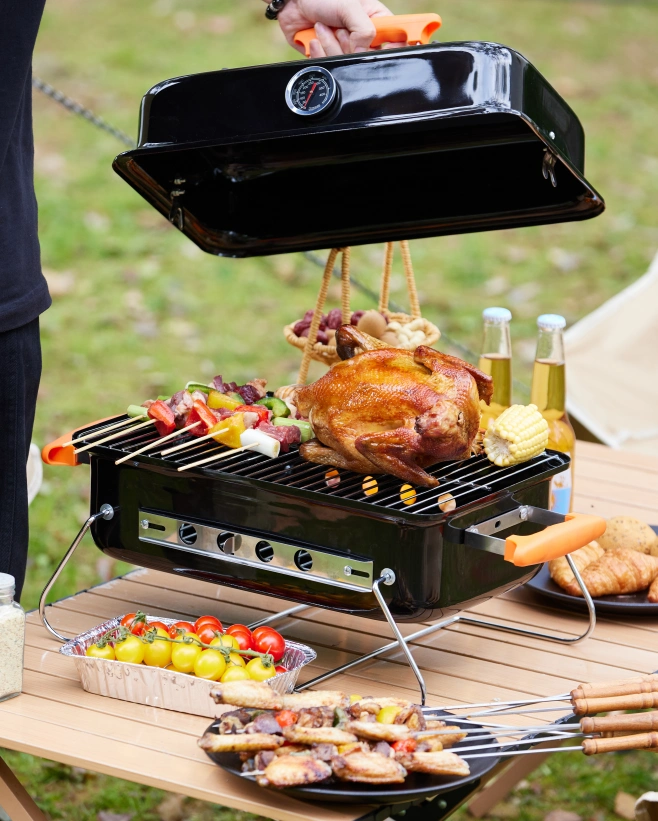
Traditional cooking relies on radiant heat and the vaporization of meat drippings. Juices hit hot coals. The contact creates smoke. Smoke infuses food with a distinct, rich profile. The design of the equipment plays a major role in this process. A deep body grill holds more charcoal. The grill provides steady and prolonged heat. The heat suits thick meat cuts or whole birds. This structural advantage ensures even cooking and rich smoky flavors. Superior heat circulation supports the flavors. Furthermore, using heavy-duty cast iron or anti-rust stainless steel cooking grids can significantly enhance the searing process. These grids deliver even heat and outstanding durability, allowing home chefs to impart professional-level grill marks and authentic outdoor flavor into every meal.
How to Maximize Flavor on an Electric Grill
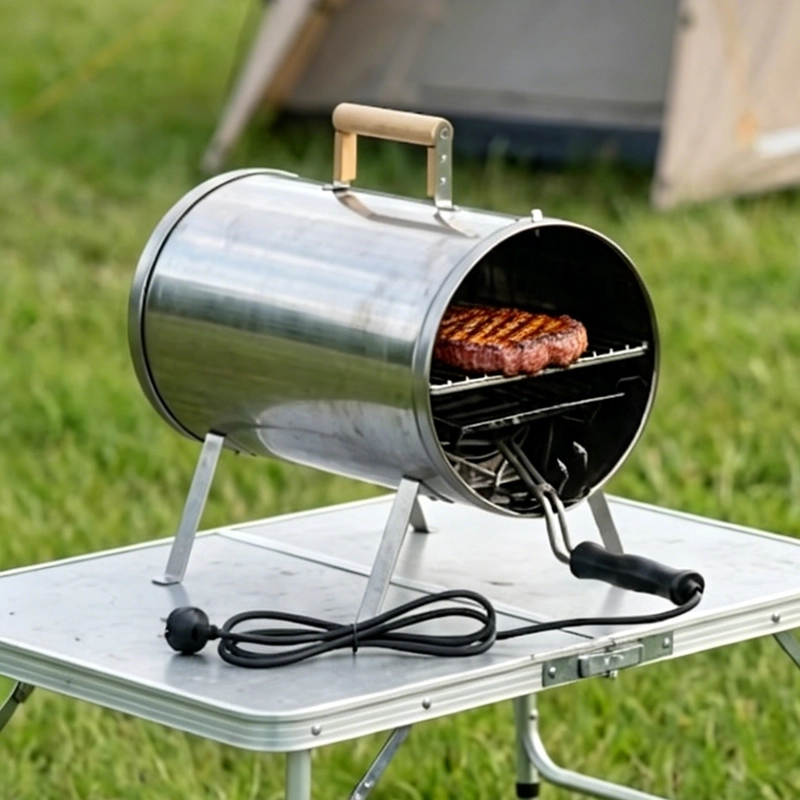
Electricity does not produce natural wood smoke. Users still achieve exceptional culinary results through proper technique and high-quality equipment. Marinades infused with liquid smoke or a specialized stainless steel smoker box filled with soaked wood chips simulate the traditional barbecue taste effectively. Equipment quality decides consistent searing. KEYO BBQ offers electric grills featuring a power output of 240V~50/60Hz 2000W. The power output ensures quick heat-up and consistent temperatures. Users achieve a perfect crust on juicy steaks and delicious vegetables without an open flame. Keeping the lid closed during the cooking process traps available heat and moisture. The process maximizes the natural flavors of the ingredients.
Health & Safety: Is an Electric Grill Healthier Than Charcoal?
Reducing Carcinogens and Smoke
Health-conscious consumers frequently inquire about the safety implications of different outdoor cooking methods. Electric models operate without an open flame. The operation drastically reduces the production of smoke and potentially harmful chemical compounds associated with burning wood or coal. Modern units suit users who want a mess-free and environmentally friendly grilling experience. The units feature a dedicated grease collection tray. The tray catches drips and splatters. The tray keeps the cooking area tidy and minimizes flare-ups that can accidentally char food. Reduction of extra oil keeps food juicy with minimal flare-ups. The equipment provides a stylish, low-maintenance option for healthy cooking.
Charcoal Grilling Done Safely
Traditional fire cooking can also be executed safely. Proper management of heat zones prevents excessive animal fat from dripping directly onto hot coals. Proper airflow management maintains safe and stable operation. Safety remains paramount in outdoor cooking. KEYO BBQ wholesale supplier provides charcoal grills like the PG07-070. The models feature adjustable air vents. The vents give control over cooking temperature. Construction uses standard A-level Q196 quality cold-rolled steel plates. The construction ensures a stable structure that passes EN1860 testing. Black enamel coating on the units resists heat for over 1000 degrees Celsius. The coating provides permanent anti-rust protection and safe operation over years of consistent use. All products pass global safety standards, including LFGB, FDA, and CE certifications. The certifications ensure export-grade reliability.
Space and Lifestyle: Which Grill is Best for a Balcony or Limited Area?
Why Electric Grills Rule Apartments and Balconies
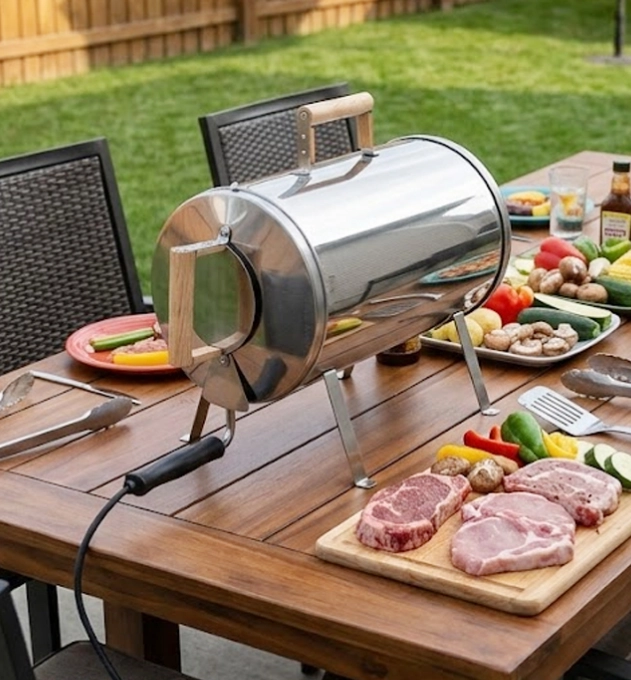
Urban living often entails compliance with strict fire safety regulations. The regulations prohibit open flames on apartment balconies or shared patios. Electric options serve as the perfect, compliant solution for restricted residential areas. An outdoor electric BBQ is built for patio or garden use. The BBQ provides the charm of traditional grilling without smoke or open flame. The units come equipped with sturdy wheels. The wheels make relocation a breeze, whether setup occurs in a backyard, patio, or inside a home. Heat-resistant handles ensure movement or adjustment of the equipment without burn risk.
When to Choose Charcoal for Camping and Backyards
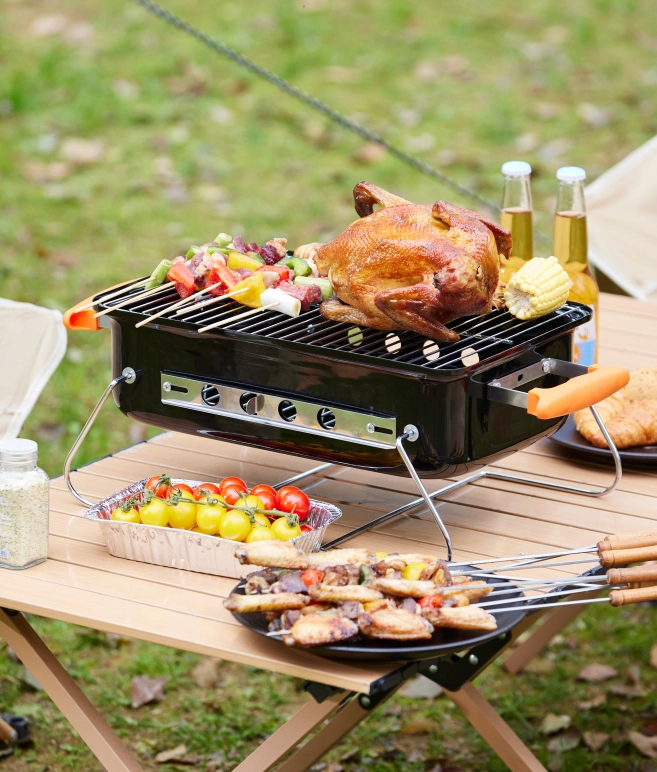
A spacious garden or frequent travel to remote campsites allows traditional models to offer necessary portability and an authentic experience. A three-legged grill brings unbeatable stability to uneven ground. The grill makes an excellent option for camping and beach adventures. The ZS01-014 portable folding grill features a compact design measuring 56 by 31 by 36.2 centimeters for superior portability. The lightweight and collapsible structure folds up neatly. The structure makes carrying effortless in a vehicle trunk. Despite its small size, the grill includes a built-in temperature gauge for accurate heat control and insulated side handles with a heat-resistant lid.
Cost and Maintenance: Long-Term Value Comparison
Understanding the total cost of ownership helps consumers make an informed, long-term decision. The following comparison highlights fundamental economic and maintenance differences between the two cooking platforms.
| Comparison Category | Traditional Fire Equipment | Modern Electric Equipment |
| Initial Investment | Generally lower entry price | Higher initial purchase price |
| Fuel Running Costs | Ongoing expense for briquettes | Highly economical per hour |
| Cleaning Process | Requires cooling and ash disposal | Wipe down and empty grease tray |
| Equipment Durability | Relies on thick steel and enamel | Requires electrical component care |
Maintenance evaluation shows that cleaning up after a traditional cookout requires proper handling of residual ash. Modern designs simplify this process. Many units feature an ingenious removable ash catcher. The catcher makes clean-up a breeze and allows maintenance of performance with minimal effort. Electric units rely on a grease management system. Users remove the collection tray easily and wash the tray alongside regular kitchen dishes. The system saves considerable time on weeknights.
Final Verdict: Which Grill Should You Buy?
A final choice depends entirely on living situation, local property regulations, and personal culinary preferences. Best decision-making follows these evaluation steps.
- Assess living space regulations regarding open flames and smoke emissions.
- Determine primary cooking style. Decide between slow-smoking weekend projects or quick weeknight dinners.
- Calculate the long-term budget for continuous fuel purchasing versus electrical consumption.
FAQs
Q: Can I use an electric grill indoors?
A: Many models suit indoor use or enclosed balconies because the models produce no open flame and minimal emissions. The tabletop electric grill serves as an efficient and convenient kitchen appliance. The appliance provides fast heating and energy efficiency. The features make the appliance ideal for indoor use. Adequate kitchen ventilation always handles normal cooking odors and steam from the food itself.
Q: Are electric grills cheaper to run than charcoal?
A: The cost of electricity required to power a heating element for a standard hour of cooking stays much lower than the ongoing cost of purchasing bags of quality briquettes, lump wood, or specialized lighting fluids.
Q: How do charcoal grills compare to electric grills in terms of flavor?
A: Traditional models vaporize meat drippings over live coals. The process sends aromatic smoke back into food. Food becomes crispy on the outside and juicy on the inside while retaining a unique smoky flavor. Electric models rely on hot grates to sear food without smoke emissions. The models deliver authentic grilled flavors but lack the classic wood-smoke essence unless external wood chip boxes are introduced.